Medical Devices Licensing Reforms
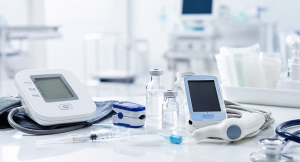
India, the European Union, the United Kingdom, and the United States introduced or proposed medical device regulatory changes in 2026. The measures cover manufacturing licences, database compliance, traceability requirements, sterilisation labelling, and quality management systems for medical devices.
India’s proposed licence timeline changes
India’s Ministry of Health and Family Welfare proposed amendments to the Medical Devices Rules, 2017, on 28 June 2026. The proposal seeks to reduce the manufacturing licence timeline for Class B medical devices from 140 days to 115 days. Class B devices are low-to-moderate risk medical devices under the Indian classification system. The same proposal reduces the licence timeline for Class C and Class D medical devices from 105 days to 90 days. Class C and Class D devices fall in the high-risk category in the Indian regulatory framework.
Indian regulatory framework for medical devices
The Medical Devices Rules, 2017, govern licensing, import, manufacture, sale, and distribution of medical devices in India. The Medical Devices (Amendment) Rules, 2026, introduced sterilisation labelling requirements, stricter compliance monitoring, updated government fees, and a digital filing system. Medical devices in India are classified into risk-based categories, including Class A, Class B, Class C, and Class D. This classification is used for regulatory control, licensing, and post-market oversight.
European Union and United Kingdom measures
The European Database on Medical Devices, or EUDAMED, made four modules mandatory from 28 May 2026 for manufacturers, importers, authorised representatives, notified bodies, and national authorities in the European Union. EUDAMED is the EU’s central database for medical device registration and regulatory information. The Medicines and Healthcare products Regulatory Agency, or MHRA, published new pre-market requirements on 26 May 2026 in the United Kingdom. The requirements include mandatory implant cards for patients and compulsory Unique Device Identifiers, or UDI, for traceability.
United States and state-level changes
The United States Food and Drug Administration, or FDA, replaced 21 CFR Part 820 with the Quality Management System Regulation, or QMSR, on 2 February 2026. The QMSR aligns US medical device quality system requirements with ISO 13485:2016. The Mississippi Board of Pharmacy introduced a Medical Device Establishment licence, with initial licensure required by 1 July 2026. The rule expands the definition of “device” to include prescription devices for professional use.
Important Facts for Exams
- ISO 13485:2016 is an international standard for quality management systems used in medical device manufacturing.
- Unique Device Identifier, or UDI, is a traceability system used for medical devices in regulatory frameworks.
- Notified bodies are conformity assessment organisations designated under European Union medical device law.
- In vitro diagnostic devices are regulated separately under the European Union’s IVDR framework.
| Related | |
|---|---|