India Targets 100 GW Pumped Storage Capacity
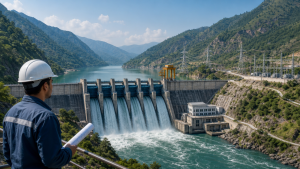
India is targeting 100 gigawatts of pumped storage hydropower capacity by the financial year 2035-36. The Central Electricity Authority under the Ministry of Power has prepared a national roadmap for this target, and the 2026 Global Hydropower Outlook of the International Hydropower Association was released on 24 June 2026.
Pumped Storage Hydropower
Pumped storage hydropower is a form of hydroelectric energy storage that uses two reservoirs at different elevations. Water is pumped to the upper reservoir during periods of low electricity demand and released to generate power during peak demand.
India’s Installed Capacity and Pipeline
As of December 2025, India had 10 pumped storage projects in operation with a combined capacity of about 7.2 GW. Another 10 projects with a combined capacity of 11.6 GW were under construction. India added 4,267 MW of hydropower in 2025 and reached a total installed hydropower capacity of 56,336 MW. The country’s total installed hydropower capacity, including pumped storage, stood at 50.91 GW on 10 January 2026, with pumped storage accounting for 7,175.6 MW.
Hydropower Potential in India
India’s economically exploitable and viable hydroelectric potential is estimated at 148,701 MW. An additional 6,780 MW is available from smaller hydro schemes, and the identified pumped storage potential is around 288 GW. In 2024, the Government of India allocated INR 12,461 crore for hydroelectric and pumped storage projects. The allocation was linked to a plan to add more than 31 GW of capacity by 2031-32.
Important Facts for Exams
- India is among the countries with the largest identified pumped storage potential in the world.
- The Siang Upper Multipurpose Project has an installed capacity target of 11,000 MW in Arunachal Pradesh.
- China’s Yarlung Zangbo River Hydropower Project has a planned capacity of 60,000 MW.
- India has set a target of 500 GW of non-fossil fuel capacity by 2030.
Strategic and Grid Relevance
Pumped storage schemes are used for grid balancing and for integrating variable renewable sources such as solar and wind. They also support reliable electricity supply during periods of high demand.
| Related | |
|---|---|