ISRO Develops Lunar Lander for 200-Day Moon Missions
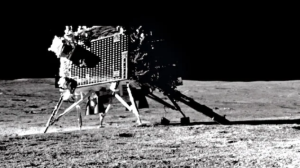
The Indian Space Research Organisation (ISRO) is developing a new lunar lander with the Department of Atomic Energy (DAE) in 2026. The project aims to extend lander operations on the Moon from about 14 days in Chandrayaan-3 to 100 to 200 days.
Lunar Day and Lunar Night
A lunar day and a lunar night each last about 14 Earth days. Lunar nights can fall below minus 100 degrees Celsius, which creates a major engineering challenge for surface missions.
Thermal Protection Systems
ISRO is developing artificial heating systems for the lander. These systems are intended to protect electronics, batteries, and scientific instruments during the long lunar night.
Chandrayaan-3 and Vikram Lander
The Vikram lander of Chandrayaan-3 landed near the Moon’s south pole on 23 August 2023. It operated for one lunar day and used solar power for its surface mission.
Important Facts for Exams
- The Moon has no substantial atmosphere, so surface temperatures change sharply between lunar day and lunar night.
- Chandrayaan-3 was India’s third lunar mission and included the Vikram lander and Pragyan rover.
- The Moon’s south polar region is a key area for lunar exploration because of its scientific and resource-related interest.
- ISRO’s Space Vision 2047 includes a national space station by 2035 and Indian astronauts on the Moon by 2040.
India’s Lunar Exploration Roadmap
India’s Space Vision 2047 includes a national space station by 2035. It also includes plans to place astronauts on the lunar surface by 2040.
| Related | |
|---|---|