China Plans Chang’e-7 Lunar Mission for South Pole Research
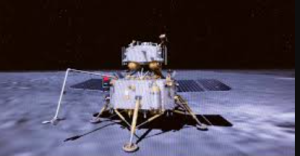
China’s Chang’e-7 lunar exploration mission is scheduled for launch in the second half of 2026. The mission will study the Moon’s south pole through environmental and resource surveys, with a focus on permanently shadowed regions and possible water ice deposits.
Chang’e-7 Mission Profile
Chang’e-7 will use an orbiter, a lander, a rover and a small hopping spacecraft. The mission is designed for high-precision landing with an accuracy of better than 100 metres. The rim of Shackleton crater is a preferred landing site for the mission.
Scientific Objectives and Payloads
The mission will search for water ice and other volatiles in permanently shadowed regions near the lunar south pole. It will also assess the area for a future research base. Chang’e-7 carries 18 science payloads, including instruments built with international partners such as the Egyptian Space Agency and the Bahrain National Space Science Agency.
Chang’e-8 and Lunar South Pole Plans
China plans Chang’e-8 for launch around 2028 or 2029. The mission will continue south pole investigations and test in-situ resource utilisation, including 3D-printing with lunar soil. Chang’e-8 will carry payloads from 11 countries and regions and one international organisation, including a lunar rover from Pakistan and exploration rovers from Türkiye.
Important Facts for Exams
- The Moon’s south pole contains permanently shadowed regions that can preserve volatile substances such as water ice.
- Shackleton crater is one of the best-known impact craters near the lunar south pole.
- In-situ resource utilisation refers to the use of local materials for construction or production in space missions.
- The International Lunar Research Station is a planned lunar research facility linked to China’s future south pole programme.
Long-Term Lunar Programme
China’s broader plan includes the International Lunar Research Station at the lunar south pole from 2031. The programme also includes an initial crewed lunar landing target by 2030.
| Related | |
|---|---|