Thirteen Major Reservoirs in India Fall Below 50% Storage
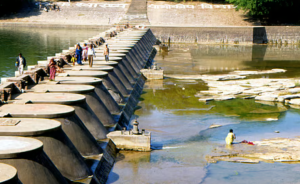
Thirteen major reservoirs in India fell below 50% of normal storage capacity by 14 May 2026, and the Central Water Commission monitored 166 reservoirs across the country. The total live storage in these reservoirs declined from 71.082 billion cubic metres on 30 April 2026 to 63.232 billion cubic metres on 14 May 2026, which was 34.45% of total capacity.
Reservoir Storage Monitoring in India
The Central Water Commission is the national agency that monitors major reservoirs and publishes weekly storage bulletins. The 166 monitored reservoirs together account for a large share of India’s usable surface water storage and are spread across river basins in different regions.
Reservoirs Below Normal Storage
As of 4 May 2026, nine major reservoirs were below 50% of normal storage. These included Khandong in Assam, Chandan Dam in Jharkhand, Tattahalla in Karnataka, Periyar in Kerala, Aliyar, Karaiar and Vaigai in Tamil Nadu, Priyadarshini Jurala in Telangana, and Kangsabati in West Bengal. Chandan Dam in Jharkhand recorded 0.00% storage on 4 May 2026. The Mettur Dam in Salem, Tamil Nadu, stood below its critical storage threshold at 79.165 feet on 17 May 2026.
Regional Distribution of Storage Levels
The southern region had 36 reservoirs below 40% capacity on 5 May 2026, which was the highest number in that category among all regions. Reservoir levels in Assam, Goa, Karnataka, Kerala, Madhya Pradesh, Tamil Nadu, Tripura and West Bengal were lower than the corresponding period of the previous year. Northern India, including reservoirs in Himachal Pradesh, Punjab and Rajasthan, held 41.37% storage on 18 May 2026. The national storage of 63.232 billion cubic metres was about 124% of the normal storage level for the same period.
Important Facts for Exams
- The Central Water Commission monitors 166 major reservoirs in India.
- Live storage refers to the usable water stored above the dead storage level in a reservoir.
- Kuruvai is a short-duration paddy crop grown in Tamil Nadu, and its irrigation often depends on the Mettur Dam release.
- El Niño is a periodic warming of the central and eastern Pacific Ocean that can affect the Indian southwest monsoon.
Reservoirs and Monsoon Link
Reservoir storage in India is closely linked to the southwest monsoon, which normally begins in June and supports river inflows. El Niño conditions are monitored because they can affect rainfall patterns and reservoir replenishment during the monsoon season.
| Related | |
|---|---|