Mumbai-Ahmedabad Bullet Train Design Unveiled
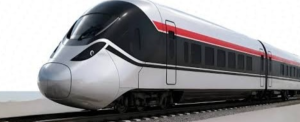
The design of India’s first bullet train for the Mumbai-Ahmedabad High-Speed Rail project was unveiled on 18 May 2026 at the Ministry of Railways in New Delhi. The project covers 508 kilometres and connects 12 stations across Maharashtra, Gujarat, and the Union Territory of Dadra and Nagar Haveli.
Mumbai-Ahmedabad High-Speed Rail Corridor
The Mumbai-Ahmedabad High-Speed Rail (MAHSR) corridor is India’s first high-speed rail project and uses Japanese Shinkansen technology. The route includes Mumbai (Bandra Kurla Complex), Thane, Virar, Boisar, Vapi, Bilimora, Surat, Bharuch, Vadodara, Anand, Ahmedabad, and Sabarmati.
Train Design and Manufacturing
The displayed train design features a streamlined and aerodynamic profile. The train sets are being developed under the Make in India initiative by Integral Coach Factory, Chennai, and BEML Limited, Bengaluru. The design speed of the train is 280 kmph.
Project Timeline and Civil Works
The Ahmedabad to Vapi section, which covers about 100 kilometres, is targeted for operations by August 2027. The full 508-kilometre corridor is expected to become operational by December 2029. Foundation work has been completed at eight stations in Gujarat, and excavation at the Bandra Kurla Complex station in Mumbai had reached about 91% completion by May 2026.
Important Facts for Exams
- Shinkansen is the high-speed rail system of Japan and is used as the technology base for the Mumbai-Ahmedabad project.
- The Mumbai-Ahmedabad corridor is planned as India’s first bullet train route.
- The project includes a 21-kilometre Mumbai tunnel and a 7-kilometre undersea section beneath Thane Creek.
- The undersea section beneath Thane Creek will be India’s first undersea rail tunnel.
Cost and Infrastructure Features
The total estimated cost of the project is ₹1.1 lakh crore, which is about US$15 billion. The project includes a low-interest loan from Japan and a journey time of about one hour and 58 minutes for the full corridor after completion.
| Related | |
|---|---|