WHO Approves First Malaria Drug for Newborns
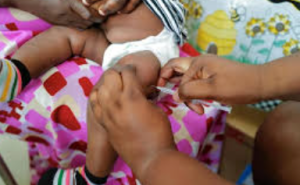
The World Health Organization (WHO) has granted prequalification approval to the first malaria treatment specifically designed for newborns and infants. The medicine, artemether-lumefantrine, marks a major step in reducing malaria deaths among the youngest and most vulnerable children, especially in Africa where the disease remains a major public health challenge.
First Infant-Specific Malaria Treatment
Artemether-lumefantrine is the first antimalarial formulation created specifically for newborns and infants. Until now, babies were treated using medicines designed for older children, which increased the risk of dosage mistakes, side effects, and toxicity. The new formulation is expected to improve treatment safety and effectiveness for infants suffering from malaria.
WHO Prequalification and Its Importance
WHO stated that prequalification confirms the medicine meets international standards of quality, safety, and efficacy. This approval is important because it allows governments and public health agencies to procure the medicine for public sector use. It also helps improve access in countries where national regulatory systems are weak or underdeveloped.
Malaria Burden Remains Severe
In 2024, the world recorded an estimated 282 million malaria cases and around 610,000 deaths across 80 countries. Africa accounted for 95 percent of these cases and deaths. Children under five years of age represented nearly three-fourths of all malaria deaths, showing the urgent need for better treatment options for infants and young children.
Important Facts for Exams
- Malaria is caused by Plasmodium parasites and is transmitted mainly through the bite of infected female Anopheles mosquitoes.
- Artemether-lumefantrine is a commonly used combination therapy for treating uncomplicated malaria.
- The WHO prequalification programme ensures medicines and vaccines meet global quality and safety standards.
- Sub-Saharan Africa carries the highest malaria burden in the world.
Challenges in Ending Malaria
WHO has warned that progress against malaria is being slowed by drug resistance, insecticide resistance, diagnostic failures, and cuts in foreign aid funding. However, new vaccines, improved mosquito nets, better diagnostic tools, and infant-specific medicines are helping strengthen the global fight. WHO believes ending malaria in the coming decades is possible, but only with strong political will and sustained financial support.
| Related | |
|---|---|