Safe Travel on National Highways Under Article 21
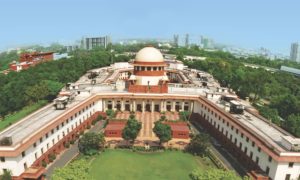
The Supreme Court has held that the right to safe travel on National Highways is part of the fundamental Right to Life guaranteed under Article 21 of the Constitution. The ruling highlights that road safety is not merely an administrative concern but a constitutional obligation of the State. The Court emphasised that citizens have the right to travel without facing preventable dangers caused by poor road conditions, illegal parking, or unauthorised roadside structures.
Supreme Court’s Observation on Highway Safety
A Bench of Justices J.K. Maheshwari and Atul S. Chandurkar observed that National Highways cover only about 2% of India’s total road network, yet they account for nearly 30% of all road accident deaths. The Court stated that highways, especially high-speed expressways, should not become dangerous zones due to negligence or lack of enforcement. It stressed that every avoidable death caused by blackspots, unsafe parking, or encroachments reflects a failure of governance.
Ban on Dhabas and Encroachments on NH Land
The Court prohibited the construction and operation of dhabas, eateries, and other unauthorised establishments on the Right of Way (ROW) of National Highways. It directed that such encroachments must be removed to ensure better visibility, smoother traffic flow, and reduced accident risks. No fresh permissions, licences, or No Objection Certificates should be issued for such roadside structures without proper approval from the National Highways Authority of India (NHAI).
Restrictions on Highway Parking and Emergency Response
The Court also banned the parking of heavy and commercial vehicles on National Highways except in designated parking bays and truck lay-bys. It ordered regular highway patrols, surveillance through drones, and stronger use of Automated Traffic Management Systems. Emergency support such as ambulances, cranes, and rescue teams must be placed at regular intervals to ensure faster response during accidents. District-level Highway Safety Task Forces have also been directed to monitor compliance.
Important Facts for Exams
- Article 21 guarantees the Right to Life and Personal Liberty under the Indian Constitution.
- National Highways make up around 2% of India’s road length but contribute nearly 30% of road fatalities.
- NHAI is the statutory authority responsible for the development and maintenance of National Highways.
- The Supreme Court used suo motu powers after two major road accidents in 2025 that caused 34 deaths.
Importance of the Judgment
This judgment expands the interpretation of Article 21 by recognising commuter safety as a basic constitutional right. The Court made it clear that the responsibility of the State includes creating safe public infrastructure and preventing avoidable loss of life. The ruling also increases accountability for both Central and State governments in road management and strengthens the legal foundation for future road safety reforms across India.
| Related | |
|---|---|