Tripura Completes All Deregulation Priority Areas in Phase-II
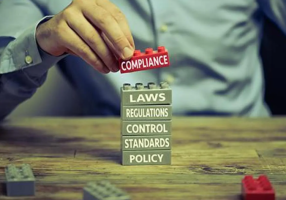
Tripura became the first state in India to complete all priority areas under Deregulation Phase-II of the national Compliance Reduction and Deregulation initiative on 14-15 May 2026. The initiative is led by the Cabinet Secretariat of the Government of India and covers regulatory simplification, approval digitisation, and reduction of procedural requirements across states and sectors.
Compliance Reduction and Deregulation initiative
The Compliance Reduction and Deregulation initiative is a national reform exercise for reducing regulatory burden in government processes. Phase-II began in January 2026 and included sectors such as Revenue, Urban Development, Industries, Labour, Environment, Tourism, Health, Education, and Digital Governance.
Reform areas completed by Tripura
Tripura completed 51 priority reform areas in total, including 23 areas in Phase-I and 28 areas in Phase-II. The state also became the first state to fully implement all 23 Priority Areas under Phase-I of the exercise.
- Tripura introduced self-certification for Change of Land Use.
- The state strengthened the Single Window Approval Agency for business clearances.
- The state rationalised No Objection Certificates and automated low-risk approvals.
- Industries in specific categories can begin operations through self-declaration, and inspection exemptions apply for up to three years.
Investment and industrial policy measures
Tripura’s Industries and Commerce Secretary, Kiran Gitte, stated on 14-15 May 2026 that the reforms are linked to digitised approvals and reduced compliance burdens. Since 2022, Tripura has signed 394 Memoranda of Understanding worth Rs 35,140 crore, and projects worth Rs 5,352 crore have already been grounded.
Important Facts for Exams
- Tripura ranked Joint No. 1 nationally in Deregulation 1.0 along with Odisha and Uttar Pradesh in January 2026.
- Phase-II of the deregulation exercise began in January 2026.
- The state plans to host a mega business conclave in July 2026.
- Tripura aims to generate investment proposals worth nearly Rs 40,000 crore.
Industrial reform context
Self-certification, single-window clearance, and inspection exemptions are common regulatory tools used in industrial policy. These measures are used in India under state-level business reform frameworks and digital governance systems.
| Related | |
|---|---|