Plastic-Eating Bacteria Break Down PVC Microplastics
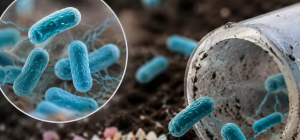
Researchers at the Faculty of Science, Cairo University in Egypt identified bacterial strains capable of degrading polyvinyl chloride (PVC) microplastics in June 2026. The study was published in Microbial Cell Factories and indexed in the National Library of Medicine.
Polyvinyl Chloride as a Plastic Polymer
Polyvinyl chloride, or PVC, is a synthetic polymer used in pipes, cables, flooring, packaging, and medical products. PVC contains chlorine in its molecular structure, and it is classified as one of the most widely produced thermoplastics in the world.
Bacterial Strains Identified in the Study
Stutzerimonas sp. NH2 was identified as a key bacterium in the experiment and reduced the weight of PVC microplastics by over 23%. Glutamicibacter nicotinae NH27 also showed degradation activity, and the combined bacterial consortium reduced PVC weight by nearly 27% under tested conditions.
Microplastic Degradation and Laboratory Findings
The bacteria were isolated from soil samples contaminated with plastic over a long period. Microscopic examination of treated PVC showed cracks and grooves on the surface, and chemical analysis recorded changes in the plastic’s signatures and material structure.
Important Facts for Exams
- PVC stands for polyvinyl chloride, a chlorine-containing synthetic polymer.
- Microplastics are plastic particles smaller than 5 millimetres.
- Microbial degradation of plastics is studied under environmental microbiology and waste management.
- Bacterial consortia are groups of two or more bacterial strains used together in experiments.
Exam-Relevant Context
The study provided the first reported evidence linking Stutzerimonas sp. NH2 and Glutamicibacter nicotinae NH27 to PVC microplastic degradation. The findings add to laboratory research on plastic-degrading microbes isolated from contaminated soils.
| Related | |
|---|---|