India To Host First High-Level CAPF Conference
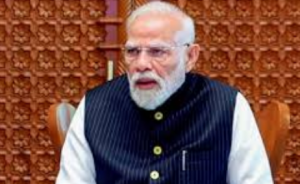
India is set to host its first-ever high-level conference dedicated exclusively to the Central Armed Police Forces (CAPFs), marking a significant step in strengthening the country’s internal security framework. The initiative reflects a shift towards structured and institutionalised coordination among key security agencies amid evolving threats.
Prime Minister To Chair Landmark Meet
The conference will be chaired by Prime Minister Narendra Modi, making it unprecedented in scale and importance. This direct involvement at the highest political level signals a strong push towards unified strategic direction across CAPFs. Unlike existing platforms, this conference will exclusively focus on CAPFs rather than being part of broader policing discussions.
Focus On Emerging Security Challenges
The meeting aims to address a wide spectrum of internal security concerns. These include insurgency, left-wing extremism, and the rising threat of cyber-enabled risks. With the nature of threats becoming more complex and interconnected, the need for coordinated responses among forces has become critical. The conference is expected to facilitate joint planning and strategic alignment.
Enhancing Coordination Across Agencies
A key objective of the conference is to improve synergy between CAPFs, intelligence agencies, and state police forces. The Intelligence Bureau has already sought inputs from stakeholders to shape the agenda. Discussions are likely to focus on intelligence sharing, operational coordination, and streamlined communication mechanisms to ensure faster and more effective responses.
Important Facts for Exams
- CAPFs include forces like CRPF, BSF, CISF, ITBP, and SSB under the Ministry of Home Affairs.
- The Intelligence Bureau is India’s oldest internal intelligence agency.
- Left-wing extremism mainly affects central and eastern India.
- DGP/IG Conference is an annual meeting of top police leadership in India.
Institutionalising Internal Security Collaboration
The proposed conference is expected to include senior CAPF officials and Indian Police Service officers. It aims to move beyond symbolic engagement by producing actionable outcomes. If successful, the initiative could pave the way for regular high-level interactions, fostering a more integrated and proactive internal security architecture in India.
| Related | |
|---|---|