Israel–Lebanon Ceasefire Tested Amid Ongoing Shelling Reports
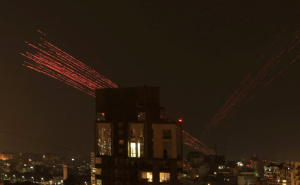
Tensions in West Asia remain volatile despite the announcement of a temporary ceasefire between Israel and Lebanon. The 10-day truce, declared to begin at 21:00 GMT, follows diplomatic efforts led by the United States. However, developments on the ground indicate continued hostilities, raising doubts over the durability of the agreement and the broader prospects for regional de-escalation.
Ceasefire Announcement and Diplomatic Push
US President Donald Trump announced that Israel and Lebanon had agreed to a short-term ceasefire after consultations with Lebanese President Joseph Aoun. The truce is seen as an attempt to create space for further negotiations, including potential talks between Washington and Tehran. The United States has indicated that the ceasefire could be extended if progress is made in ongoing diplomatic engagements.
Violations and Ground Reality
Despite the formal start of the ceasefire, reports from southern Lebanon suggest intermittent shelling in areas such as Khiam and Dibbine. The Lebanese army has accused Israeli forces of violating the truce and advised civilians to delay returning to affected regions. Israel, meanwhile, has stated it is reviewing these claims, maintaining that limited actions may fall under “self-defence” provisions within the ceasefire framework.
Role of Regional Actors and Escalation Risks
The militant group Hezbollah has linked its participation in the ceasefire to a complete halt in Israeli military operations. At the same time, Iran has welcomed the truce, suggesting it forms part of a broader understanding involving the United States. Pakistan has also emerged as a backchannel mediator, facilitating communication between Washington and Tehran, though a final agreement remains elusive.
Important Facts for Exams
- The Strait of Hormuz handles nearly one-fifth of global oil and gas supply.
- Hezbollah is a major non-state armed group based in Lebanon.
- Ceasefires often include clauses allowing “self-defence” actions.
- Backchannel diplomacy plays a key role in international conflict resolution.
Economic Impact and Global Concerns
The conflict has had immediate implications for global energy markets. Oil prices have remained below $100 per barrel, reflecting cautious optimism among investors about a possible resolution. However, disruptions in the Strait of Hormuz due to US naval actions continue to pose risks to global supply chains. Simultaneously, the United States faces internal political divisions, with lawmakers debating limits on presidential authority to undertake military action against Iran.
| Related | |
|---|---|