India Expands Ethanol Fuel Network by 2027
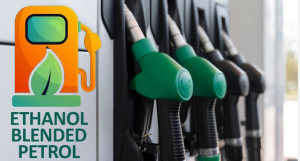
India has announced a phased expansion of ethanol dispensing infrastructure with 500 flex-fuel retail pumps planned by the end of 2026 and about 5,000 outlets targeted by the end of 2027. The plan is linked to flex-fuel vehicles and higher ethanol blends in petrol under the country’s biofuel and transport fuel framework.
Ethanol Blending in Petrol
Ethanol blending refers to the mixing of ethanol with petrol in fixed proportions. India achieved the 20% ethanol blending target in petrol in 2025, ahead of the original 2030 timeline. Common blend labels include E20 for 20% ethanol and E85 for 85% ethanol.
Flex-Fuel Vehicles and Fuel Compatibility
Flex-fuel vehicles are designed to run on petrol-ethanol blends across a wider range than conventional petrol vehicles. Recent models in India include Maruti Suzuki’s Wagon R Flex Fuel and Hero MotoCorp’s Splendor Plus and HF Deluxe motorcycles, which are compatible with blends from E20 to E85.
Regulatory Framework and Fuel Standards
The Ministry of Road Transport and Highways proposed amendments on 27 April 2026 to the Central Motor Vehicles Rules, 1989. The proposal covers blends of up to 85% ethanol in gasoline, known as E85, and E100, along with biodiesel blends of up to 100% in diesel, known as B100.
Rollout Plan and Fuel Infrastructure
The first phase of the rollout is planned for Delhi-NCR, Mumbai, Pune, and Nagpur. The initial deployment has been described in official and media references with differing figures, including 50 to 100 stations and around 5,200 stations in the first phase.
Important Facts for Exams
- E20 means petrol blended with 20% ethanol by volume.
- E85 means a fuel blend containing 85% ethanol and 15% petrol.
- B100 refers to diesel containing 100% biodiesel.
- Flex-fuel vehicles can operate on multiple ethanol-petrol blend ratios.
Economic and Environmental Projections
If half of new two-wheeler and passenger vehicle sales shift to flex-fuel technology, additional ethanol demand may exceed 300 crore litres. Government estimates place possible additional income for farmers at nearly Rs 12,403 crore and carbon emission reduction at about 66.4 lakh metric tonnes.
| Related | |
|---|---|