Important Buddhist Rituals, Symbols and Practices in Asia
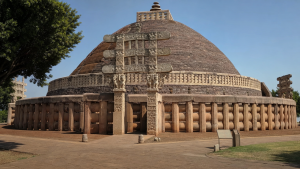
Buddhist rituals, symbols and practices express teachings on wisdom, compassion and liberation from suffering. They vary across Asian traditions, while sustaining religious life, cultural continuity and opportunities for interfaith understanding.
Stupas and Devotional Practice
Stupas are Buddhist monuments that originated as burial mounds for relics of the Buddha. They may enshrine relics, sacred objects or the remains of monks and nuns, or commemorate significant people and events. Their classification as relic, object, commemorative, symbolic or votive stupas depends on what they contain or represent.
- Traditional form: A South Asian stupa typically has a solid dome above a drum, often on a square base. Its interior is generally inaccessible.
- Chortens: In Tibetan Buddhism, stupas are commonly called chortens, a term also used in Bhutan.
- Pradakhshina: Devotees circumambulate a stupa clockwise as a longstanding act of reverence. The practice is associated with accumulating merit.
- Symbolic form: A stupa may represent the Buddha in meditation: its base corresponds to his crossed legs and its dome to his body. It is also understood as a symbol of the Buddha’s mind.
Symbols and Mudras
Buddhist symbols communicate aspects of the Dharma, or the Buddha’s teachings. Some draw on older signs of auspiciousness shared across the Indian cultural region.
- Dharma Chakra: The Wheel of Dharma represents the Buddha’s teachings and the path to enlightenment. Its eight spokes signify the Noble Eightfold Path; Emperor Ashoka used the wheel on monuments.
- Bodhi Tree and lotus: The sacred fig (Ficus religiosa) at Bodh Gaya is associated with the Buddha’s enlightenment. The lotus, which grows unstained in murky water, represents purity, spiritual awakening and renunciation.
- Other symbols: Buddha footprints recall his teachings and continuing presence. The vajra, especially important in Vajrayana Buddhism, represents indestructibility, clarity and the power to cut through ignorance.
- Mudras: These symbolic hand gestures appear in Buddha images and meditation. Abhaya signifies fearlessness and protection; Bhumisparsha, the earth-touching gesture, recalls enlightenment; Dhyana represents meditation; Dharmachakra signifies the teaching of the Dharma; and Varada expresses generosity and compassion.
The Eight Auspicious Symbols, or Ashtamangala, are found in both Hindu and Buddhist traditions. They comprise the parasol, golden fish, treasure vase, lotus, conch shell, endless knot, victory banner and Dharma wheel. Together, they represent qualities associated with enlightenment.
Rituals and Everyday Practices
Practices differ among Theravada, Mahayana and Vajrayana communities, but commonly cultivate wisdom, compassion and liberation from suffering. Lay followers and monastics participate in practices according to their traditions and commitments.
- Meditation: Samatha develops calm and concentration, while Vipassana cultivates insight. Meditation supports mindfulness and the observation of mental states.
- Chanting and offerings: Reciting Buddhist texts and mantras reinforces teachings and supports mindfulness. Offerings such as flowers, incense, candles and food express devotion and are associated with the accumulation of merit.
- Dana: Laypeople give food and other necessities to monks and nuns. Almsgiving supports the monastic community and is understood as a meritorious act; monastics depend on lay generosity.
- Precepts and pilgrimage: Lay followers commonly observe five precepts: refraining from killing, stealing, sexual misconduct, lying and intoxication. Pilgrims visit sites linked to the Buddha’s life, including Lumbini, Bodh Gaya, Sarnath and Kushinagar.
Festivals and Observances
Many Buddhist festivals follow lunar calendars, so their Gregorian dates vary by year, country and tradition. Observances combine devotion, remembrance and community participation.
- Vesak: Also called Buddha Day, it commemorates the Buddha’s birth, enlightenment and passing away. It is observed across Buddhist traditions and typically falls on a full moon in May.
- Asalha Puja: Also known as Dharma Day, it marks the Buddha’s first sermon at Deer Park, when he set the Wheel of Dharma in motion. For Theravada Buddhists, it is associated with the start of the rainy-season retreat, or Vassa.
- Lhabab Duechhen: This observance commemorates the Buddha’s descent from Trāyastriṃśa Heaven after teaching the Dharma to his mother, Maya Devi. It falls on the 22nd day of the ninth month of the Tibetan calendar; in Bhutan, it is also observed as Mother’s Day.
- Other observances: Saga Dawa commemorates the Buddha’s birth, enlightenment and parinirvana in Tibetan Buddhism. Ullambana, or the Hungry Ghost Festival, honours ancestors and is associated with the liberation of suffering beings in East Asia. Losar marks the Tibetan New Year and is observed by Tibetan and Sherpa Buddhists.
Monastic Life and Buddhist Traditions
The Sangha, the community of monks and nuns, is central to Buddhist religious life. Monastic discipline, study and meditation coexist with close relationships between monasteries and lay communities.
- Daily discipline: Monastics commonly begin the day with meditation and chanting and may receive food through alms rounds.
- Renunciation: Simple living, few possessions and shaved heads express a commitment to relinquishing worldly attachments. Traditional possessions include three robes and an alms bowl.
- Community role: Monasteries serve as centres for spiritual cultivation, study and community service, while lay support helps sustain monastic life.
Theravada is prominent in Southeast Asia and Sri Lanka and stresses monastic discipline, individual effort and insight. Mahayana, widespread in East Asia and Himalayan regions, emphasises the Bodhisattva ideal. Vajrayana, a branch of Mahayana influential in Tibet, Bhutan and Nepal, uses esoteric practices such as mantras, mudras and mandalas.
Key Prelims Takeaways
- A stupa may enshrine relics or commemorate sacred people and events; in Tibetan Buddhism, it is called a chorten.
- Clockwise circumambulation of a stupa is known as pradakhshina.
- The Dharma Chakra’s eight spokes represent the Noble Eightfold Path.
- The Buddha attained enlightenment at Bodh Gaya beneath the Bodhi Tree, a sacred fig.
- Vesak commemorates the Buddha’s birth, enlightenment and passing away.
- Lhabab Duechhen marks the Buddha’s descent from Trāyastriṃśa Heaven; its Gregorian date varies.
Recent Context
On November 1, 2026, Bhutan constructed and consecrated 108 Jangchub Chortens at Gelephu Mindfulness City in nine hours. Guinness World Records recognised the achievement on November 3; the observance coincided with Lhabab Duechhen and Mother’s Day in Bhutan.
| Related | |
|---|---|