Global Biofuels Alliance
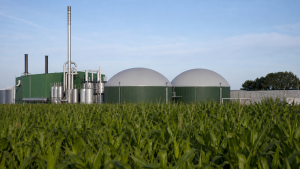
The Global Biofuels Alliance (GBA) is an India-led intergovernmental coalition launched on September 9, 2023, during the G20 Summit in New Delhi. It aims to accelerate the global development and adoption of sustainable biofuels through cooperation among governments, international organizations, and industry.
Primary Objectives of the GBA
- Developing Global Markets: Creating transparent and efficient biofuel markets to support international trade.
- Standardization and Certification: Formulating common technical standards, quality codes, and sustainability principles.
- Technology Transfer: Promoting the sharing of advanced technologies such as second-generation (2G) ethanol, compressed biogas (CBG), and sustainable aviation fuel (SAF).
- Policy Harmonization: Helping countries frame national biofuel policies and blending targets.
- Promoting the Circular Economy: Encouraging the use of municipal solid waste, agricultural residues, and crop waste for clean energy production.
Membership and Governance Framework
The GBA follows a multi-tiered governance model to encourage participation from a wide range of global stakeholders.
Membership Categories
- Members: Sovereign countries that formally support the alliance and take part in decision-making.
- Observers: Countries interested in the biofuel sector but not fully committed to the core policy framework.
- Partners: International organizations and industry bodies that provide technical and analytical support.
Membership Composition
- G20 Member Countries: India, United States, Brazil, Argentina, Canada, Italy, South Africa, Japan.
- G20 Invitee Nations: Bangladesh, Mauritius, Singapore, United Arab Emirates (UAE).
- Non-G20 Members: Iceland, Kenya, Guyana, Paraguay, Seychelles, Sri Lanka, Uganda, Finland, Tanzania, Philippines.
- International Partners: World Bank, World Economic Forum (WEF), Asian Development Bank (ADB), International Energy Agency (IEA), International Renewable Energy Agency (IRENA), International Civil Aviation Organization (ICAO), United Nations Industrial Development Organization (UNIDO).
Institutional Setup
The permanent headquarters and secretariat of the GBA are in New Delhi, India. The Government of India signed the Host Country Agreement (HCA) in October 2024, giving the secretariat the legal privileges needed to function effectively. A Temporary Executive Committee (TEC) handled the initial transition phase.
Understanding Biofuels and Their Generations
Biofuels are liquid, solid, or gaseous fuels produced from biomass through chemical or biological processes. Unlike fossil fuels, they are derived from renewable organic matter over short biological cycles.
Classification of Biofuel Generations
| Biofuel Generation | Primary Feedstock Used | Common Examples |
| First Generation (1G) | Food crops containing high sugar, starch, or vegetable oil, such as sugarcane, corn, wheat, and soybean. | Bioethanol, Conventional Biodiesel. |
| Second Generation (2G) | Non-food crops, agricultural waste, wood residues, and lignocellulosic biomass such as rice straw and bagasse. | Cellulosic Ethanol, Advanced Biodiesel. |
| Third Generation (3G) | Aquatic biomass and micro-organisms such as algae and seaweed. | Algal Biofuels, Biobutanol. |
| Fourth Generation (4G) | Genetically engineered crops or microbes designed to capture carbon dioxide during production. | Carbon-negative fuels, Synthetic Alkanes. |
Benefits for India and National Alignment
The GBA aligns with India’s domestic renewable energy programmes and supports several national goals.
Supporting Domestic Schemes
- PM-JI-VAN Yojana: Provides financial assistance to commercial second-generation (2G) ethanol projects using lignocellulosic biomass.
- SATAT (Sustainable Alternative Towards Affordable Transportation): Promotes the setting up of compressed bio-gas (CBG) plants to replace traditional transportation fuels.
- GOBARdhan Scheme: Supports clean energy generation from cattle dung, municipal solid waste, and agricultural waste.
Key Advantages for India
- Meeting Blending Targets: India advanced its 20% ethanol blending target (E20) in petrol to 2025-26 from the earlier 2030 deadline.
- Reducing Crude Imports: Greater biofuel use lowers dependence on imported crude oil and saves foreign exchange.
- Technology Export Opportunities: Indian industries can access international markets for machinery, technical systems, and biomass-processing equipment.
- Farmers’ Income: Demand for crop residue and agricultural waste can provide an additional income source for farmers.
Rare Facts for Prelims
- Launch Date: The GBA was launched on 9 September 2023 during the G20 Summit in New Delhi.
- Core Founders: India, the United States, and Brazil are the founding pillars of the alliance.
- Ethanol Share: These three countries together account for about 85% of global ethanol production and 81% of its consumption.
- Model Institution: The GBA is modeled on the institutional design of the International Solar Alliance (ISA).
- Headquarters: The permanent secretariat of the GBA is located in New Delhi.
- Focus Area: The alliance gives special emphasis to 2G ethanol, CBG, and SAF as cleaner alternatives.
| Related | |
|---|---|