Honey Bees Spread Myrtle Rust Across Australia
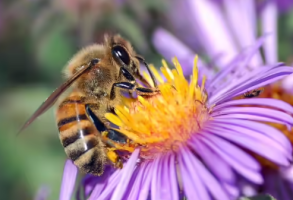
Western honeybees (Apis mellifera) have been linked to the spread of Myrtle Rust (Austropuccinia psidii) in Australia. Myrtle rust is a fungal plant pathogen first detected in Australia in 2010, and it affects many native species in the Myrtaceae family.
Western Honeybee
Western honeybee is the common name of Apis mellifera, a managed pollinator species used widely in commercial agriculture. Commercial colonies are transported across Australia for crop pollination, which creates movement pathways for pollen, spores, and other biological material.
Myrtle Rust
Myrtle rust is caused by the fungus Austropuccinia psidii and infects plants in the Myrtaceae family, including eucalypts, paperbarks, and bottlebrushes. Nearly 17% of Australia’s endemic vegetation is considered at risk from this fungus, and the pathogen has been recorded in Australia since 2010.
Spore Transmission and Biosecurity
Scientists have observed Western honeybees collecting myrtle rust spores as a food source and carrying them back to hives. Myrtle rust spores have remained viable and infectious inside bee hives for at least nine days, and this persistence creates a pathway for spread through hive movement and pollination networks.
Important Facts for Exams
- Apis mellifera is the scientific name of the Western honeybee.
- Austropuccinia psidii is the fungal agent that causes Myrtle Rust.
- Myrtle rust belongs to the plant disease group affecting the Myrtaceae family.
- Australia uses honeybees in surveillance programmes for plant pathogens and viruses.
Other Australian Biosecurity Threats
Varroa destructor is an external parasite of European honeybees and is a major biosecurity concern in Australia. As of March 26, 2026, Varroa mite had spread across South Australia, Victoria, the Australian Capital Territory, and Queensland, and resistance to pyrethroid and Amitraz treatments had been confirmed in some apiaries in northern New South Wales.
Plant Pest Surveillance
Xylella fastidiosa is a plant pathogen that causes severe disease in more than 700 plant hosts and is listed as Australia’s number one National Priority Plant Pest. Honeybees are used in surveillance programmes to detect plant viruses and pathogens through their movement across flowering plants.
| Related | |
|---|---|