Vande Mataram Made Compulsory in Bengal Madrasas
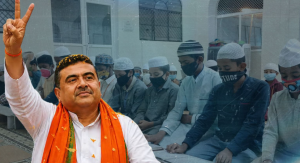
On 21 May 2026, the West Bengal government made the singing of Vande Mataram compulsory in all recognised madrasas across the state during morning assemblies before classes begin. The directive applies to government model madrasas, government-aided madrasas, and unaided madrasas under the Directorate of Madrasa.
Vande Mataram in Indian Public Life
Vande Mataram is a Sanskrit patriotic song composed by Bankim Chandra Chatterjee in his novel Anandamath, published in 1882. The song became associated with the Indian freedom movement and was adopted as the National Song of India in 1950.
Madrasas in West Bengal
Madrasas in West Bengal function under the state’s madrasa education framework and include government model, government-aided, and unaided institutions. Morning assembly practices in schools and madrasas often include the National Anthem, Jana Gana Mana, which was adopted as the National Anthem of India in 1950.
Assembly Songs in State Institutions
The new order extends a similar directive issued for schools under the Department of School Education. Before the latest order, Banglar Mati Banglar Jal was also used as a compulsory song in state schools in West Bengal.
Important Facts for Exams
- Vande Mataram was written by Bankim Chandra Chatterjee in the 19th century.
- Jana Gana Mana is the National Anthem of India and was adopted in 1950.
- West Bengal has government model, government-aided, and unaided madrasas under its madrasa education system.
- Banglar Mati Banglar Jal is a Bengali song associated with West Bengal’s state identity.
| Related | |
|---|---|