Government Cuts Royalty Rates for Oil and Gas Production
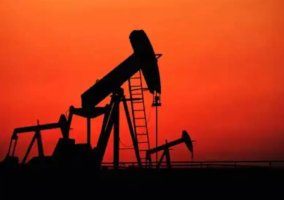
The Ministry of Petroleum and Natural Gas notified revised royalty rates for crude oil and natural gas production on 8 May 2026. The revised structure applies to onshore, offshore, deepwater, and ultra-deepwater fields in India.
Royalty in Hydrocarbon Production
Royalty is a statutory payment made to the government for the extraction of natural resources from a licensed area. In the oil and gas sector, royalty is calculated on production or on the well-head value, as prescribed under the applicable policy and field category.
Revised Rates for Crude Oil and Natural Gas
The royalty on onshore crude oil production has been reduced to 10% from 16.66%. The royalty on offshore crude oil production has been reduced to 8% from 9.09%. The royalty rate for natural gas has been reduced to 8% from 10%. The new natural gas formula uses a flat deduction for calculating the well-head price. The well-head price is the value of gas at the production point before transport and marketing costs.
Deepwater and Ultra-Deepwater Fields
Deepwater and ultra-deepwater fields awarded under the Discovered Small Field Policy and the Hydrocarbon Exploration and Licensing Policy will attract zero royalty for the first seven years of crude oil, condensate, and natural gas production. After seven years, the royalty rates for these blocks will be 5% and 2% respectively.
Important Facts for Exams
- Royalty is a major fiscal instrument in mineral and hydrocarbon extraction in India.
- Discovered Small Field Policy, or DSF Policy, covers monetisation of discovered but undeveloped hydrocarbon fields.
- Hydrocarbon Exploration and Licensing Policy, or HELP, governs exploration and production of hydrocarbons under a revenue-sharing model.
- Oil and Natural Gas Corporation and Oil India are major public sector enterprises in India’s upstream oil and gas sector.
Policy Objective
The revised royalty structure is linked to domestic exploration, production, and investment in capital-intensive fields. India imports a large share of its crude oil and natural gas requirements, and upstream production policy remains a key part of energy security planning.
| Related | |
|---|---|