
CSIR-NML Signs MoU for Lithium-Ion Battery Recycling
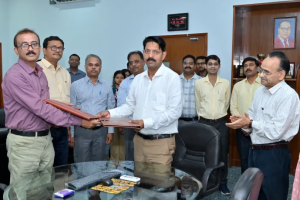
CSIR-National Metallurgical Laboratory (CSIR-NML), Jamshedpur, signed a Memorandum of Understanding with New Delhi-based R2E Greentech Private Limited on 18 June 2026 for the commercialisation of indigenous technology for recycling end-of-life lithium-ion batteries. CSIR-NML also signed a technology transfer agreement with Bengaluru-based CircuOre Private Limited on 17 June 2026 for the scientific recycling of waste lithium-ion batteries.
Lithium-Ion Battery Recycling
Lithium-ion battery recycling is a process for recovering metals and materials from spent batteries. The recovered materials include lithium, cobalt, manganese, nickel, copper, aluminium, and graphite. These materials are used in battery manufacturing and other industrial applications.
Critical Minerals and Recovery Process
The recycling technology transferred by CSIR-NML is designed to extract critical materials from end-of-life batteries. The process uses an integrated hydrometallurgical facility for critical metal extraction. Hydrometallurgy is a metal recovery method that uses aqueous chemistry for leaching, separation, and purification.
CSIR-NML Battery Recycling Facility
CSIR-NML commissioned its first battery recycling pilot facility in September 2023 at Jamshedpur. The facility can dismantle 1 tonne per day of batteries and separate cathode materials. It operates under NML’s patented flowsheet and can handle spent rechargeable lithium-ion batteries and nickel-based batteries for process validation and technology transfer.
Important Facts for Exams
- CSIR-National Metallurgical Laboratory is a constituent laboratory of the Council of Scientific and Industrial Research.
- Lithium, cobalt, nickel, manganese, copper, aluminium, and graphite are key materials recovered from spent lithium-ion batteries.
- Hydrometallurgical recycling is one of the main industrial routes for extracting metals from battery waste.
- Battery recycling is linked with the concept of the circular economy, which focuses on reuse and resource recovery.
Battery Waste and Industrial Context
India’s battery waste is projected to reach nearly 2 million metric tonnes annually by 2035. End-of-life lithium-ion batteries are classified as hazardous waste if they are disposed of improperly. Recycling systems for such batteries are used in resource recovery and waste management.
| Related | |
|---|---|


Sunil Singh
August 25, 2026 at 9:30 pmInterested to work so as to gain knowledge