April 14 Unites Ambedkar Jayanti and Baisakhi in Anti-Caste Reflection
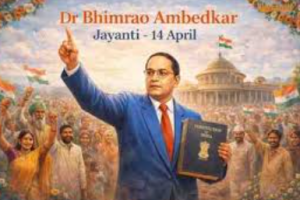
April 14, 2026, marks both Ambedkar Jayanti and the Sikh festival of Baisakhi, bringing renewed focus on the shared anti-caste ideals of B. R. Ambedkar and Guru Nanak. While both traditions emphasise equality and dignity, the historical and social realities surrounding caste remain complex and layered.
Guru Nanak’s teachings against caste
Guru Nanak, born in 1469, laid the foundation of Sikhism on principles of equality, fraternity, and devotion to one God. Emerging in a period marked by social divisions and caste oppression, his teachings challenged entrenched hierarchies. Influenced by the Bhakti tradition and saints like Kabir, Guru Nanak emphasised the unity of humanity and rejected caste-based discrimination in both thought and practice.
Bhai Lalo parable and moral symbolism
A well-known episode from the Janamsakhi tradition recounts Guru Nanak’s association with Bhai Lalo, a humble carpenter, and his refusal to accept a feast from the wealthy Malik Bhago. The story symbolises the moral distinction between honest labour and exploitative wealth. By choosing Lalo’s simple food over Bhago’s lavish offerings, Guru Nanak underscored dignity of labour and rejection of social inequality.
Caste realities within Sikh society
Despite its egalitarian ideals, caste has persisted in Sikh social practices. Scholars note that while Sikh teachings reject caste distinctions, societal customs have continued to reflect hierarchical structures. Historical studies indicate the emergence of parallel caste patterns within Sikh communities, revealing a gap between religious ideals and lived realities.
Important Facts for Exams
- Guru Nanak founded Sikhism in the 15th century, emphasising equality and monotheism.
- Janamsakhis are traditional biographical accounts of Guru Nanak’s life.
- B. R. Ambedkar led social reforms against caste and framed the Indian Constitution.
- Baisakhi marks the Sikh New Year and the formation of the Khalsa in 1699.
Ambedkar’s engagement with Sikhism
Ambedkar once considered conversion to Sikhism as part of his movement against caste oppression but ultimately embraced Buddhism in 1956. Historical accounts suggest concerns over continued caste practices and political considerations within Sikh institutions influenced this decision. The intersection of Ambedkar’s thought and Sikh philosophy continues to shape debates on equality, social reform, and the challenge of translating ideals into practice.
| Related | |
|---|---|