Ambedkar’s Legacy Inspires Roma Community in Hungary
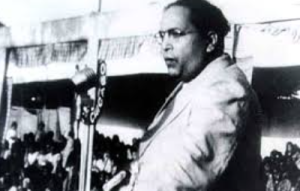
The life and ideas of B. R. Ambedkar have found a powerful resonance among the Roma community in Hungary, offering a model of social transformation and dignity. In the city of Miskolc, a school named after Ambedkar stands as a symbol of hope for an oppressed community seeking empowerment through education.
Ambedkar’s message reaches Europe
The Dr Ambedkar School was co-founded nearly two decades ago by Hungarian sociologist Tibor Derdak and Roma activist János Orsós. Despite Ambedkar never visiting Hungary, his journey—from facing discrimination to becoming a key architect of India’s Constitution—has deeply inspired the Roma, who have historically faced marginalisation in Europe. His writings and speeches have been translated into Hungarian to make his ideas accessible.
Shared histories of oppression
The connection between Ambedkar’s struggle and Roma experiences is rooted in parallels of exclusion and discrimination. The Roma, believed to have migrated from the Indian subcontinent around a thousand years ago, have long faced segregation in education and society. In Hungary, many Roma children have been placed in under-resourced or special schools, reflecting systemic inequalities similar to caste-based discrimination.
Education as a tool for empowerment
The Ambedkar School in Miskolc has emerged as a centre for social change. Students study both Roma history and Ambedkar’s ideas, drawing connections between their struggles and pathways to progress. Graduates have gone on to pursue higher education and community leadership roles, while the school has also contributed to social changes such as reduced early motherhood and increased awareness about education among girls.
Important Facts for Exams
- B. R. Ambedkar was the chief architect of the Indian Constitution and a key social reformer.
- The Roma people are believed to have originated from the Indian subcontinent around 1,000 years ago.
- The Roma flag features a red Dharma Chakra, symbolising links to Indian heritage.
- The First World Roma Congress was held in 1971 near London, formalising Roma identity and symbols.
Cultural and symbolic connections endure
The Roma flag, with its blue and green background and red wheel, symbolises a historical link to India through the Dharma Chakra. Ambedkar’s emphasis on equality, dignity, and education continues to inspire Roma communities across Europe. His legacy, adapted to a different cultural context, highlights the universal relevance of struggles against social injustice and the transformative power of education.
| Related | |
|---|---|