Confirmed Ebola Outbreak Reported in Congo
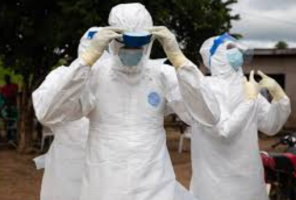
A new Ebola outbreak was confirmed on 15 May 2026 in Ituri province of the Democratic Republic of Congo. The Africa Centres for Disease Control and Prevention confirmed the outbreak, and preliminary laboratory testing by the Institut National de Recherche Biomédicale found Ebola virus in 13 of 20 samples.
Ebola Virus Disease
Ebola virus disease is a severe viral haemorrhagic fever caused by viruses in the genus Ebolavirus. The disease was first identified in 1976 in the Democratic Republic of Congo and Sudan, and it has caused repeated outbreaks in Central and West Africa.
Outbreak Details in Ituri Province
As of 15 May 2026, Ituri province had 246 suspected cases and 65 deaths. Mongwalu and Rwampara health zones recorded most of the suspected cases and deaths, while additional suspected cases were reported in Bunia pending confirmation.
Laboratory Findings and Response Mechanism
Preliminary results from the Institut National de Recherche Biomédicale indicated a non-Zaire ebolavirus strain, and further sequencing was underway on 15 May 2026. The Africa Centres for Disease Control and Prevention convened an urgent high-level coordination meeting with health authorities from the Democratic Republic of Congo, Uganda, and South Sudan on the same day.
Important Facts for Exams
- Ebola virus disease is transmitted through direct contact with blood, body fluids, or contaminated materials.
- The Democratic Republic of Congo has recorded multiple Ebola outbreaks since 1976.
- Ituri province is located in the north-eastern part of the Democratic Republic of Congo.
- The Africa Centres for Disease Control and Prevention is the public health agency of the African Union.
Exam-Relevant Static Facts
The genus Ebolavirus belongs to the family Filoviridae. Laboratory confirmation of Ebola usually requires polymerase chain reaction testing, antigen detection, or virus isolation in specialised facilities.
| Related | |
|---|---|