Uttar Pradesh Launches River Rejuvenation Initiative
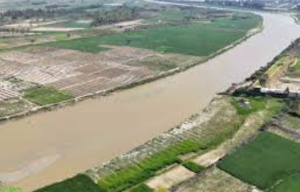
Uttar Pradesh has expanded river rejuvenation work under community-based restoration projects linked to rural sustainability and ecological resilience. The initiative operates through the State Mission for Clean Ganga and allied agencies, and it includes river restoration, pond revival, plantation, desilting, and encroachment removal across multiple districts.
River Rejuvenation in Uttar Pradesh
The “One District-One River” campaign was launched under the Namami Gange mission to restore disappearing rivers in Uttar Pradesh. The campaign generated 1.53 lakh human-days of work and encouraged more than 500 farmers to adopt natural farming by 13 May 2026. River rejuvenation in the state has included channel widening, channel deepening, ghat construction, pond revival, and plantation work. These activities are linked to water conservation, groundwater recharge, and rural employment generation under government programmes.
District-Level Restoration Projects
In Pilibhit, the Gomti river was restored along a 47-km stretch across 16 gram panchayats. The work included widening and deepening of the river channel, revival of 23 ponds, and construction of ghats. In Bulandshahr, the Neem River was revived through a 29-km intervention under the Mahatma Gandhi National Rural Employment Guarantee Scheme. Farmers participated in clearing encroachments, and plantation work was used to support ecological restoration. In Azamgarh district, the Tamsa River was restored across an 89-km stretch through 111 gram panchayats under the Namami Gange Programme. The work included desilting, waste removal, encroachment clearance, and tree plantation.
Employment and Water Conservation Features
The rejuvenation of the Noon River in Jalaun district was executed under the Mahatma Gandhi National Rural Employment Guarantee Scheme. The project created 5,98,652 person-days of employment, benefited 23,416 farmers, and increased groundwater levels by 2.01 metres. In Rampur district, river rejuvenation work included 300 recharge shafts across 132 ponds and 15 injection wells. These structures are used for groundwater recharge and water storage in rural areas.
Important Facts for Exams
- The Namami Gange Programme is a central mission for cleaning and rejuvenating the Ganga river system and its tributaries.
- The Mahatma Gandhi National Rural Employment Guarantee Scheme provides wage employment for rural households in India.
- Gram panchayats are the lowest tier of the Panchayati Raj system in India.
- Natural farming is a chemical-free agricultural practice that uses local resources and reduced external inputs.
Static GK on River Rejuvenation
River rejuvenation includes desilting, removal of solid waste, plantation, and restoration of natural flow. Recharge shafts and injection wells are used to improve groundwater recharge in water-stressed areas.
| Related | |
|---|---|