World Bee Day 2026 and Bee Decline Risks
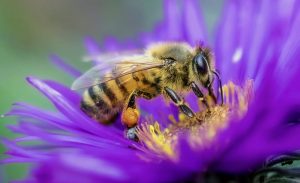
World Bee Day is observed on 20 May each year to recognise the role of bees and other pollinators in agriculture, biodiversity, and ecosystem functioning. In 2026, verified reports on bee decline covered colony losses, pesticide exposure, climate stress, and threats to wild pollinators across several regions.
Bee Decline and Pollination
Bees are among the main pollinators of flowering plants and food crops. Nearly 90% of wild flowering plant species depend on pollinators, and about 75% of the world’s food crops depend on pollinators for yield or quality.
Major Causes of Pollinator Loss
Habitat loss, pesticide exposure, climate change, and diseases are listed among the main drivers of bee decline. Other documented pressures include warzones, microplastics in beehives, light pollution, and pesticide mixtures used in agriculture.
Recent Data on Bee Losses
Commercial beekeepers in the United States reported an average loss of 62% of their colonies between June 2024 and March 2025. This was described as the largest honeybee die-off in recorded United States history, and bees contribute about $15 billion in added crop value to United States agriculture.
Important Facts for Exams
- World Bee Day is observed on 20 May and is linked to pollinator conservation and food systems.
- Thiamethoxam is a neonicotinoid pesticide that has faced restrictions in the European Union since 2018.
- Neonicotinoids are a class of systemic insecticides used in crop protection.
- Pollinators include bees, butterflies, birds, bats, and some other insects.
Policy and Conservation Measures
Sustainable agricultural practices linked with pollinator protection include crop rotation, reduced pesticide use, and restoration of pollinator habitats. The Food and Agriculture Organization has used World Bee Day platforms to discuss pollinator-friendly farming and biodiversity protection.
Regional Concerns in 2024 and 2025
In 2024, the United Kingdom permitted emergency use of thiamethoxam on sugar beet for the fourth consecutive year. In 2026, North American bee swarm season began 17 days earlier than the previous year after record heatwaves in the United States.
Africa and Pollinator Risk
The #FoodorPoison report by Greenpeace Africa stated that about 40% of insect pollinators are at risk in Africa. It also noted that a large share of registered pesticides in Ghana, Kenya, and South Africa are toxic to bees.
| Related | |
|---|---|