Microbes Found Beneath Ross Ice Shelf
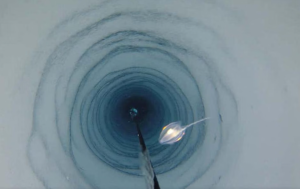
Researchers have identified thriving microbial communities hundreds of metres beneath Antarctica’s Ross Ice Shelf. The findings were published in 2022 in Nature Communications and were followed by a 2024 description of a functional microbial community in seawater under the ice shelf.
Ross Ice Shelf Ecosystem
The Ross Ice Shelf is the largest ice shelf in Antarctica and forms a floating extension of the Antarctic ice sheet. The cavity beneath the shelf contains seawater that remains dark, cold, and isolated from direct sunlight for long periods.
Microbial Groups and Energy Sources
The identified community includes aerobic lithoautotrophic archaea and bacteria, along with heterotrophic microbes that break down organic carbon. These organisms obtain energy from ammonium, nitrite, and sulfur compounds through chemosynthesis, which does not depend on sunlight.
Scientific Methods Used
Metagenomics and metatranscriptomics were used to study the microbial DNA and active gene expression in the sub-ice environment. These methods allow scientists to identify community composition and metabolic activity in environments where direct cultivation is difficult.
Role of Viruses in the Sub-Ice Habitat
Viruses were detected in the ecosystem and were found to infect ammonium-oxidising and sulfur-oxidising chemolithoautotrophic organisms. Viral activity is a recognised factor in microbial population control and nutrient cycling in marine ecosystems.
Important Facts for Exams
- The Ross Ice Shelf is located in Antarctica and is a floating ice shelf attached to the Antarctic ice sheet.
- Chemoautotrophs use chemical energy instead of sunlight for growth.
- Metagenomics studies genetic material recovered directly from environmental samples.
- Metatranscriptomics examines RNA transcripts to identify active genes in a community.
Exam-Relevant Context
Studies have recorded ammonium oxidation rates in this habitat that are comparable to those in the winter Antarctic Ocean. The ecosystem includes both primary producers and organisms that recycle organic matter in a closed sub-ice environment.
| Related | |
|---|---|