WHO Declares Ebola PHEIC in Congo and Uganda
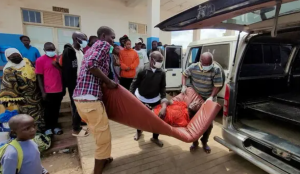
The World Health Organization declared an Ebola outbreak in the Democratic Republic of Congo and Uganda a Public Health Emergency of International Concern on 17 May 2026. The outbreak is centred in eastern Ituri province of the Democratic Republic of Congo and has also been confirmed in Kampala, Uganda.
Public Health Emergency of International Concern
A Public Health Emergency of International Concern, or PHEIC, is a formal declaration under the International Health Regulations of 2005. The declaration is used for events that pose a public health risk to other States through the international spread of disease and may require a coordinated international response.
Ebola Virus Disease
Ebola virus disease is a severe viral haemorrhagic fever caused by viruses of the genus Ebolavirus. The disease was first identified in 1976 in outbreaks near the Ebola River region in the present-day Democratic Republic of Congo and South Sudan. The current outbreak is caused by the Bundibugyo virus, which is one of the species associated with Ebola virus disease. The Bundibugyo virus was first identified in Uganda in 2007.
Outbreak Pattern in Central Africa
The Democratic Republic of Congo has recorded 17 Ebola outbreaks since 1976. The current outbreak has affected health zones in Ituri province, including Bunia, Rwampara, and Mongbwalu. As of 16 May 2026, more than 246 suspected cases and over 80 suspected deaths were reported in Ituri province, and eight laboratory-confirmed cases were recorded. Uganda reported two cases, including one death, in Kampala on 15 and 16 May 2026.
Important Facts for Exams
- The International Health Regulations were adopted by the World Health Assembly in 2005.
- The Africa Centres for Disease Control and Prevention is the specialised public health agency of the African Union.
- Ebola virus disease has a case fatality rate that can be very high in outbreaks, depending on the virus species and response measures.
- Cross-border movement, mining activity, and insecurity are common public health challenges in eastern Democratic Republic of Congo.
Response Measures
The World Health Organization deployed health experts and allocated US$500,000 from its contingency fund for emergencies for the response. The Africa Centres for Disease Control and Prevention reported active community transmission in the affected area.
| Related | |
|---|---|