US Proposes Tariff on India Over Forced Labour Concerns
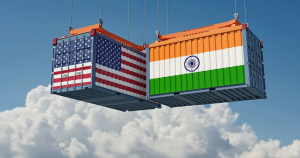
On 3 June 2026, the United States proposed additional tariffs on imports from 60 economies, including India, under the Trump administration. The proposal links the measure to Section 301 investigations by the Office of the U.S. Trade Representative into alleged failures to prohibit or enforce bans on goods made with forced labour.
Section 301 and Trade Remedies
Section 301 of the Trade Act of 1974 allows the United States to respond to unfair foreign trade practices. The Office of the U.S. Trade Representative uses this mechanism in investigations related to market access, intellectual property, and labour-linked trade concerns.
Proposed Tariff Structure
India is among 54 countries facing a proposed 12.5% additional tariff on imports. Six other economies, namely Canada, Ecuador, the European Union, Indonesia, Mexico, and Pakistan, would face a 10% tariff under the proposal. The U.S. Trade Representative Jamieson Greer stated on 3 June 2026 that failures by trading partners to address forced labour imports create an uneven trade environment for American workers. India rejected the allegations and sought resolution through bilateral trade negotiations.
Goods and Sectoral Coverage
The USTR identified India across sectors such as aluminium, cotton, cocoa, fish, coffee, nickel, palm oil, and rice. The allegation states that India imported forced labour-linked inputs and exported downstream products to the United States. Certain product categories, including energy, pharmaceuticals, beef, coffee, and some fruits and vegetables, are exempt from the proposed tariffs.
Procedure and Timeline
The proposal is not final and remains open to public consultation. Requests for public hearings are due by 22 June 2026, written comments by 6 July 2026, and public hearings are scheduled for 7 July 2026.
Important Facts for Exams
- Section 301 is a trade remedy provision used by the United States to address alleged unfair trade practices.
- The Office of the U.S. Trade Representative is the federal agency that conducts Section 301 investigations.
- Forced labour is linked to international trade rules through import restrictions on goods produced with coercion or exploitation.
- Public comment and hearing procedures are common steps before finalising major U.S. trade measures.
| Related | |
|---|---|