India and Cyprus Elevate Ties to Strategic Partnership
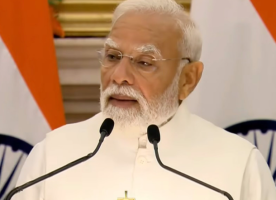
India and Cyprus elevated their bilateral relations to a Strategic Partnership on 22 May 2026 during the visit of Cyprus President Nikos Christodoulides to New Delhi. Prime Minister Narendra Modi and President Christodoulides held wide-ranging talks in New Delhi and announced new cooperation measures in trade, investment, defence, migration, mobility, and social security.
India-Cyprus Bilateral Framework
India and Cyprus established diplomatic relations in 1962, and both countries have maintained regular political and economic engagement since then. The bilateral relationship covers trade, investment, maritime issues, and multilateral cooperation in forums such as the United Nations.
Strategic Partnership and Joint Action Plan
The Five-Year Joint Action Plan for 2025-2029 was endorsed during Prime Minister Modi’s visit to Cyprus on 15-16 June 2025. The plan covers trade, investment, innovation, maritime security, and defence cooperation, and it provides a framework for structured bilateral engagement. During the 22 May 2026 talks, both sides agreed to set up a joint task force for cooperation in infrastructure and shipping. They also discussed doubling bilateral investments within five years, after Cyprus-to-India investments nearly doubled over the previous decade.
Defence, Migration and Global Issues
An MoU on counter-terrorism was exchanged on 22 May 2026, and it provides for a joint working group on security cooperation. The two sides also reached agreements on migration and mobility, and on social security, during the same visit. The leaders discussed the West Asia crisis and the Ukraine conflict, and they referred to democratic values and international law in their bilateral consultations. Cyprus had earlier reiterated support for India’s candidature for a permanent seat in an expanded United Nations Security Council during the June 2025 visit.
Important Facts for Exams
- Cyprus is a member of the European Union and uses the euro as its currency.
- India and Cyprus are both members of the United Nations.
- The United Nations Security Council has five permanent members at present.
- Counter-terrorism cooperation often includes intelligence sharing, capacity building, and joint working groups.
Key Bilateral Areas
India-Cyprus cooperation includes trade, investment, shipping, maritime security, innovation, and defence. The relationship also includes people-to-people links through migration, mobility, and social security arrangements.
| Related | |
|---|---|