Ladakh Gets Five New Districts
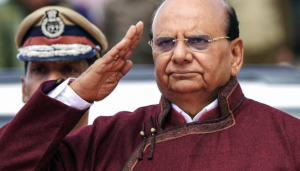
Ladakh Lieutenant Governor Vinai Kumar Saxena has approved the creation of five new districts in the Union Territory, marking a major administrative change. The move fulfils a long-pending demand of local residents and is expected to improve governance in one of India’s most strategically important border regions.
Five New Districts Announced
The five newly created districts are Nubra, Sham, Changthang, Zanskar and Drass. With this, Ladakh will now have a total of seven districts. Earlier, Leh and Kargil were the only two districts in the Union Territory. The decision was described as a historic step towards decentralised governance and better public service delivery.
Why the Decision Is Important
Ladakh is India’s largest Union Territory by area, spread across 86,904 square kilometres, but it has a sparse population of around 2.74 lakh as per the 2011 Census. Its difficult terrain and remote settlements make governance challenging. Creating more districts is expected to bring administration closer to citizens, especially in far-flung border areas.
Administrative and Strategic Significance
The Lieutenant Governor stated that the decision had already received approval from the Ministry of Home Affairs in August 2024 under the leadership of Home Minister Amit Shah. The new districts are expected to strengthen grassroots governance, improve access to government services and create fresh opportunities for employment, entrepreneurship and local development.
Important Facts for Exams
- Ladakh became a separate Union Territory on 31 October 2019 after the bifurcation of the erstwhile state of Jammu and Kashmir.
- Article 370 of the Constitution, which granted special status to Jammu and Kashmir, was abrogated on 5 August 2019.
- Drass is known as one of the coldest inhabited places in the world and is located in the Kargil region.
- Changthang is a high-altitude plateau famous for Pashmina wool and nomadic pastoral communities.
Political Background and Future Impact
Since becoming a Union Territory, Ladakh has remained under the direct administrative control of the Union Home Ministry. Apart from one Member of Parliament, the region has limited elected representation. The creation of new districts is expected to improve political participation, administrative efficiency and regional development while supporting India’s strategic interests along the borders with China and Pakistan.
| Related | |
|---|---|