China Resumes Indian Broken Rice Imports
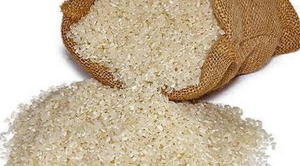
China has resumed imports of broken rice from India despite recently rejecting several consignments over alleged traces of genetically modified organisms (GMOs). The renewed trade activity comes at a time when Indian rice remains competitively priced in the global market, even as logistical costs rise due to geopolitical tensions.
Competitive Pricing Drives Chinese Demand
India’s broken rice is currently being offered at around $300–310 per tonne (free on board), making it attractive to global buyers, including China. Indian 5 per cent broken white rice is priced at $335–339 per tonne, significantly lower than competitors such as Thailand, Vietnam and Pakistan. Supply shortages in these countries have further strengthened India’s position as a preferred exporter.
Freight Costs Surge Amid Iran Conflict
Exporters have flagged a sharp increase in shipping costs due to a 50 per cent rise in bunker fuel prices, driven by the ongoing Iran conflict. Freight charges for a 20-foot container have risen to $75–80 per tonne, adding pressure on overall export margins. Despite this, demand remains stable, particularly from West Africa and China.
Policy Shifts and Trade Contradictions
China’s decision to resume imports is notable given its earlier rejection of Indian shipments citing GMO concerns. This comes despite prior clearance by Chinese agencies. India had also imposed a ban on broken rice exports in 2022 due to domestic supply concerns caused by adverse weather. The current resumption signals a shift in both supply dynamics and trade priorities.
Important Facts for Exams
- Broken rice is a by-product of milling and widely used for feed and industrial purposes.
- El Niño is a climate phenomenon associated with warming of Pacific Ocean waters, often causing droughts in Asia.
- Bunker fuel is a heavy fuel oil used to power ships and significantly impacts freight costs.
- India is one of the world’s largest producers and exporters of rice.
Climate Risks and Production Outlook
While India’s rice production remains robust, with estimates exceeding 150 million tonnes for 2025–26, concerns persist over climate risks such as a potential Super El Niño. Such conditions could disrupt production across major Asian economies. At the same time, currency fluctuations and global uncertainties continue to influence price stability. Nevertheless, a healthy rabi paddy harvest in India is expected to support export capacity in the near term.
| Related | |
|---|---|