Supreme Court Clarifies Voting Rights in Bengal SIR
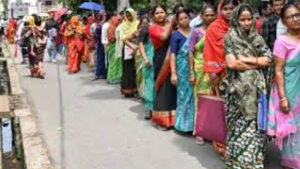
The Supreme Court has clarified a key issue surrounding West Bengal’s Special Intensive Revision (SIR) of electoral rolls, ruling that voters whose appeals against exclusion are accepted by appellate tribunals will be eligible to vote in the upcoming Assembly elections. The decision comes amid political controversy and large-scale deletions from the voter list during the revision exercise.
Relief for Voters with Successful Appeals
The apex court stated that once an appellate tribunal approves a voter’s appeal and orders inclusion in the electoral rolls, authorities must act without delay. The Electoral Registration Officer is required to update the rolls, including through supplementary lists, ensuring that such individuals can exercise their voting rights. This directive reinforces the importance of timely administrative action in safeguarding democratic participation.
No Voting Rights for Pending Appeals
At the same time, the court rejected demands to allow individuals with pending appeals to vote. It observed that granting such interim rights would create an “anomalous situation” and could undermine the integrity of the electoral process. The bench emphasised that voting eligibility must be determined only after due legal adjudication, maintaining the sanctity of electoral rolls.
Massive Backlog and Administrative Challenge
The ruling comes against the backdrop of over 34 lakh appeals pending before 19 appellate tribunals, each headed by retired High Court judges. The court acknowledged the scale of the exercise and described it as a “herculean task.” It directed authorities to provide full logistical support to tribunals, including access to reasons for voter exclusions, to ensure efficient and transparent disposal of cases.
Important Facts for Exams
- Electoral Registration Officer is responsible for preparing and updating electoral rolls.
- Representation of the People Act governs electoral processes in India.
- Supplementary electoral rolls are used to update voter lists after revisions.
- Appellate tribunals in such cases are often headed by retired High Court judges.
Balancing Electoral Integrity and Voting Rights
The court’s decision highlights the need to balance the constitutional right to vote with the integrity of the electoral system. While it ensures relief for genuine voters who succeed in appeals, it also upholds due process by denying interim voting rights in unresolved cases. With Assembly elections approaching, the ruling is expected to significantly influence voter participation and the final electoral rolls in West Bengal.
| Related | |
|---|---|