CAFE III Fuel Efficiency Norms Likely by May-End
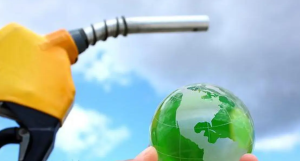
Corporate Average Fuel Efficiency III, or CAFE III, is the third phase of India’s fuel-efficiency framework for passenger vehicles. The proposed norms are scheduled to apply from 1 April 2027 to 31 March 2032, and the draft framework covers fleet-wide carbon dioxide emissions, credit trading, and vehicle classification rules.
CAFE Norms in India
CAFE norms are fleet-average standards that measure the fuel efficiency of a manufacturer’s vehicle portfolio rather than a single model. In India, the framework is linked to the Bureau of Energy Efficiency under the Ministry of Power, and it applies to passenger vehicle manufacturers operating in the domestic market.
Key Features of the Draft CAFE III Framework
The draft CAFE III framework seeks to reduce average fleet emissions for passenger vehicles from about 113 g/km at the end of FY27 to 78.9 g/km by FY32. The latest draft proposes a revised emission curve for small cars and removes a 3 g CO₂/km relief that had appeared in earlier proposals. The draft also reduces the super-credit benefit for strong hybrids from 2.0 to 1.6 and for flex-fuel vehicles from 1.5 to 1.1.
Compliance Mechanism and Credit Trading
Manufacturers that perform better than the prescribed target can generate surplus carbon credits. These credits can be sold to other manufacturers, and companies can also purchase credits from the Bureau of Energy Efficiency for compliance. Electric vehicles continue to be counted as three vehicles under the draft framework.
Important Facts for Exams
- CAFE stands for Corporate Average Fuel Efficiency.
- The third phase, CAFE III, is planned for the period 1 April 2027 to 31 March 2032.
- The Bureau of Energy Efficiency functions under the Ministry of Power.
- Passenger vehicle emission targets in the draft are expressed in grams of carbon dioxide per kilometre.
Stakeholder Positions and Fuel Basis
The Society of Indian Automobile Manufacturers has supported the proposal, and its president, Shailesh Chandra, described the guidelines as balanced on 17 April 2026. Smaller car makers such as Maruti Suzuki and Toyota Kirloskar Motor have sought leniency for small cars, while Tata Motors, Mahindra & Mahindra, Hyundai, and Kia have opposed differential treatment.
Fuel Reference for Calculations
The Bureau of Energy Efficiency is likely to revise the draft rules to use E25 instead of E20 as the base fuel for calculations. E25 is a petrol-ethanol blend containing 25% ethanol, while E20 contains 20% ethanol.
| Related | |
|---|---|