World Bank Approves $890 Million for Rooftop Solar Programme
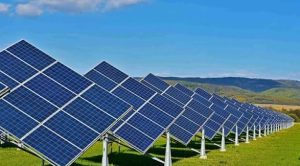
The World Bank Board of Executive Directors approved an $890 million financing package for India’s national rooftop solar programme on 9 and 10 July 2026. The package supports PM Surya Ghar: Muft Bijli Yojana, a residential rooftop solar scheme for households in rural and urban India.
PM Surya Ghar: Muft Bijli Yojana
PM Surya Ghar: Muft Bijli Yojana is India’s flagship residential rooftop solar programme. The scheme targets rooftop solar installations for 10 million households across the country. It is linked to household-level solar power generation and grid-connected electricity supply.
Financing Structure
The 890 million package includes an 820 million loan from the International Bank for Reconstruction and Development, a 60 million concessional loan from the Clean Technology Fund, and a 10 million grant from the Livable Planet Fund. The financing is designed to support residential solar deployment and related institutional capacity.
Important Facts for Exams
- The International Bank for Reconstruction and Development is one of the five institutions of the World Bank Group.
- The Clean Technology Fund is a multilateral climate finance mechanism under the Climate Investment Funds framework.
- The World Bank Group uses loans, concessional finance, and grants for development projects in member countries.
- Rooftop solar systems are installed on buildings and generate electricity near the point of consumption.
Economic and Energy Targets
The programme is expected to mobilise an additional $4.2 billion in private financing through commercial lending for residential solar installations. It is projected to create about 1.7 million jobs across manufacturing, installation, and services linked to the renewable energy value chain.
India’s Clean Energy Commitments
India has a net-zero emissions target for 2070. India has also set a goal of increasing the share of non-fossil-fuel-based energy resources to 60 per cent of its electricity mix by 2035.
Implementation Framework
The financing package aims to reduce financial barriers for households and to build capacity among distribution companies, banks, and vendors. Distribution companies, also called discoms, are key entities in India’s electricity supply chain and consumer service network.
| Related | |
|---|---|