Photosynthesis Achieved in Mouse Eye Cells
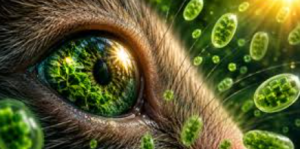
Researchers have demonstrated photosynthesis in mouse eye cells by using plant-derived chloroplast structures and a synthetic nano-system called LEAF, short for Light-driven Engineered Artificial thylakoid Factory. The work was published in the journal Cell in May 2026 and involved mammalian corneal cells exposed to ambient light.
What is LEAF?
LEAF is a plant-derived nano-system designed as a temporary neo-organelle inside mammalian cells. It uses spinach-derived components and functions under light to generate ATP and NADPH, which are molecules involved in cellular energy transfer and redox balance.
Photosynthesis in Mammalian Cells
Photosynthesis is the process by which plants, algae, and some bacteria convert light energy into chemical energy. In this experiment, chloroplast-derived structures were introduced into mouse eye cells, and the cells produced biologically useful molecules under light exposure.
Medical Application in Eye Disease
The study examined LEAF as a light-powered therapeutic strategy for inflammatory eye diseases, including dry eye, also called keratoconjunctivitis sicca. In preclinical trials on mice with dry eye disease, LEAF therapy reversed corneal damage, doubled tear film stability, and outperformed several standard clinical medications.
Important Facts for Exams
- Chloroplasts are the organelles in plant cells where photosynthesis takes place.
- ATP stands for adenosine triphosphate and serves as a primary energy molecule in cells.
- NADPH is a reducing agent used in biosynthetic reactions and antioxidant processes.
- Reactive oxygen species, or ROS, are chemically reactive molecules that can damage cells when present in excess.
Related Research Context
Earlier research in Japan in 2024 inserted energy-making chloroplasts from algae into hamster cells and enabled photosynthetic activity for at least two days. The eye is a light-exposed organ, and a study author from the National University of Singapore described the work as the first transplantation of plant photosynthetic machinery into mammalian tissue for light-powered molecule generation.
| Related | |
|---|---|