NFHS-6 Records Decline in Child Stunting in Meghalaya
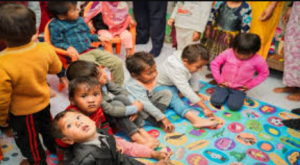
The National Family Health Survey-6 (NFHS-6) for 2023-24 recorded a decline in child stunting in Meghalaya. Stunting among children under five years in the state fell from 46.5% in NFHS-5 (2019-21) to 36.8% in NFHS-6, a drop of 9.7 percentage points. The national average for stunting among children under five years was 29.3% in NFHS-6.
National Family Health Survey
The National Family Health Survey is a large-scale household survey conducted in India on population, health, and nutrition indicators. NFHS data are used for measuring child nutrition, maternal health, fertility, and family welfare indicators across states and Union territories.
Child Stunting as a Nutrition Indicator
Stunting refers to low height-for-age in children and is used as an indicator of chronic undernutrition. The World Health Organization classifies stunting among children under five years as a major child nutrition indicator in public health surveys.
Maternal and Infant Feeding Indicators
NFHS-6 recorded that 76.4% of children in Meghalaya were breastfed within one hour of birth. It also recorded that 97.1% of infants under six months were currently breastfeeding. Early initiation of breastfeeding and exclusive breastfeeding are standard indicators in child health surveys.
Important Facts for Exams
- NFHS stands for National Family Health Survey, which is conducted in India for health and nutrition data.
- NFHS-5 covered the period 2019-21, while NFHS-6 covered 2023-24.
- Meghalaya’s stunting rate in NFHS-6 was 36.8%, which remained above the national average of 29.3%.
- “Mission 1000 Days” is a state initiative linked to maternal and child nutrition in Meghalaya.
State Nutrition Initiative
Meghalaya’s Mission 1000 Days aims to reduce stunting further before NFHS-7. The initiative is linked to maternal health services, antenatal registration, regular check-ups, supplementation, and community participation through women’s groups, self-help groups, village leaders, and families.
| Related | |
|---|---|