Pakistan Halts $1.5 Billion Sudan Arms Deal
Pakistan has reportedly frozen a major $1.5 billion defence deal with Sudan after objections from Saudi Arabia, according to a Reuters report. The agreement involved the sale of weapons and military jets to Sudan and was said to be in its final stages in January 2026. The development highlights the growing influence of Gulf powers over Pakistan’s defence and foreign policy decisions.
What was the Sudan defence deal?
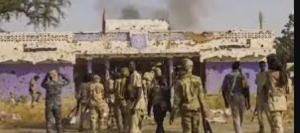
The proposed agreement included the supply of weapons and aircraft by Pakistan to Sudan, where the national army is engaged in a prolonged conflict with the paramilitary Rapid Support Forces (RSF). Sudan has been facing one of the world’s worst humanitarian crises due to the civil war, with widespread displacement, famine risks and international concern over civilian casualties. The defence sale was among several military contracts being discussed between Pakistan and Sudan.
Why did Saudi Arabia object?
Saudi Arabia, one of Pakistan’s closest strategic partners, reportedly asked Islamabad to terminate the deal after Riyadh withdrew from plans to finance it. Reports suggest that some Western countries advised Saudi Arabia to avoid involvement in proxy conflicts in Africa, particularly in Sudan and Libya. Following talks between Sudanese military leaders and Saudi officials in Riyadh, the deal was put on hold. Saudi Arabia is also reconsidering another reported $4 billion defence arrangement involving Libya.
Pakistan’s economic dependence matters
Pakistan’s decision is also linked to its fragile economic condition and dependence on Gulf financial support. Saudi Arabia has frequently provided loans, oil support and financial assistance to Islamabad. In addition, Pakistan’s central bank is under pressure to repay the remaining $1.5 billion of a larger $3.5 billion deposit owed to the United Arab Emirates by 23 April 2026. Such financial realities increase Gulf influence over Pakistan’s strategic choices.
Important Facts for Exams
- Sudan is facing a civil conflict between the national army and the Rapid Support Forces (RSF).
- Saudi Arabia and Pakistan signed a mutual defence pact in 2025.
- Rapid Support Forces (RSF) is a powerful paramilitary group active in Sudan.
- Gulf nations like Saudi Arabia and UAE play a major role in Pakistan’s economic stability.
Regional and geopolitical implications
The freezing of the deal reflects how defence agreements are often shaped by broader geopolitical alliances rather than only military needs. It also shows Saudi Arabia’s attempt to avoid deeper involvement in African conflicts while maintaining regional influence. For Pakistan, balancing defence exports, diplomatic relations and urgent economic survival remains a major foreign policy challenge in an increasingly complex international environment.
| Related | |
|---|---|