Japan Ends Ban on Lethal Weapons Exports
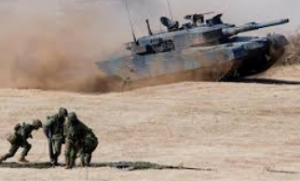
Japan has approved a major shift in its postwar security policy by removing restrictions on the export of lethal weapons. Prime Minister Sanae Takaichi’s Cabinet cleared the final hurdles for arms sales involving fighter jets, missiles and warships, marking a significant departure from Japan’s long-standing pacifist approach after World War II. The decision reflects Tokyo’s response to growing regional security concerns and its effort to strengthen defence partnerships.
What has changed in Japan’s defence policy?
For decades, Japan largely banned the export of military equipment under its pacifist constitution, allowing only limited transfers for rescue, transport, surveillance and minesweeping purposes. The new guideline removes these limits and permits the export of lethal defence equipment such as fighter aircraft, missiles and destroyers. This goes far beyond previous exports like flak jackets, gas masks and civilian-use vehicles sent to Ukraine.
Why is Japan making this move?
Japan says the changing regional security environment, especially concerns related to China, North Korea and broader Indo-Pacific tensions, requires stronger defence preparedness. The government believes defence exports will help strengthen Japan’s security partnerships with countries like Australia, the United States, Britain and Italy. It also aims to develop its domestic defence industry, reduce dependence on imports and improve long-term military resilience.
How will the new export system work?
The export of lethal weapons will initially be limited to 17 countries that have signed defence equipment and technology transfer agreements with Japan. Every deal must receive approval from the National Security Council, and the government will monitor how exported weapons are used. In principle, Japan will still avoid exporting lethal weapons to countries actively engaged in war, maintaining some restrictions despite the policy shift.
Important Facts for Exams
- Japan adopted a pacifist constitution after World War II limiting its military role to self-defence.
- The new policy allows exports of fighter jets, missiles and destroyers.
- Japan is jointly developing a next-generation fighter jet with Britain and Italy.
- Australia recently signed a major frigate deal worth $6.5 billion with Japan.
Global reactions and strategic impact
The move has received mixed reactions internationally. China criticised the policy change, while defence partners such as Australia welcomed it as a step towards stronger regional cooperation. Critics inside Japan argue that the decision weakens the country’s pacifist identity and could increase global tensions. However, supporters see it as a practical adjustment to modern security realities, signalling Japan’s emergence as a more active strategic player in global defence affairs.
| Related | |
|---|---|