Indian Army Tests Divyastra Mk-1 Loitering Munition
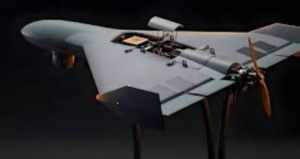
The Indian Army conducted an operational demonstration of the indigenous Divyastra Mk-1 tactical loitering munition in Jodhpur on 1 June 2026. The system is developed by Hoverit, a Lucknow-based defence technology startup, and it has a reported 95% indigenous component rate.
Divyastra Mk-1: Basic Features
The Divyastra Mk-1 is an AI-powered tactical unmanned aerial vehicle used for intelligence, surveillance, reconnaissance, and precision strike missions. It has an operational range of up to 500 km, an endurance of up to 5 hours, an attack speed of 300–400 km/h, and a payload capacity of 15 kg.
Launch and Field Validation
The system was launched multiple times from a vehicle-mounted mobile launcher during the demonstration. It was validated for dynamic intelligence, surveillance, and reconnaissance missions under field conditions in desert temperatures exceeding 50°C.
Loitering Munition and AI Capability
A loitering munition is an aerial system that can remain over an area before striking a target. The Divyastra Mk-1 has AI and swarm capabilities for autonomous navigation, target recognition, and coordinated strike operations.
Important Facts for Exams
- Loitering munitions are also called suicide drones or kamikaze drones in military terminology.
- Intelligence, surveillance, and reconnaissance is commonly abbreviated as ISR in defence studies.
- Vehicle-mounted mobile launchers are used for rapid deployment in field operations.
- Hoverit is developing the Divyastra Mk-2 with a striking range of 1,500–2,000 km and a payload capacity of up to 80 kg.
Cost and Indigenous Content
The Divyastra Mk-1 is expected to cost about one-third of comparable foreign loitering munitions. The platform is linked with India’s Make in India defence initiative through its high indigenous content and domestic development.
| Related | |
|---|---|