Important Emerging and Re-emerging Infectious Diseases in Africa
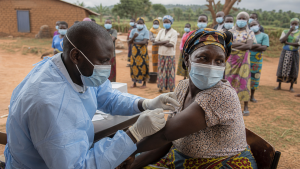
Emerging and re-emerging infectious diseases (ERIDs) pose continuing health and development challenges across Africa. Their spread is shaped by interactions among people, animals and the environment, as well as by the capacity of health systems to detect and respond to outbreaks.
Understanding Emerging and Re-emerging Diseases
Emerging infectious diseases are newly identified diseases or known diseases that have recently increased in incidence or expanded geographically. Re-emerging diseases are known infections that return after a significant decline. Changes in environmental conditions, antimicrobial resistance and weakened public-health systems can contribute to their resurgence. Zoonotic diseases, which pass from animals to humans, account for a substantial share of ERIDs. Human-animal contact, environmental change, travel and gaps in healthcare infrastructure can affect where pathogens spread and how quickly outbreaks are detected. Surveillance, laboratory diagnosis and coordinated response are therefore central to limiting their impact.
Ebola Virus Disease
Ebola virus disease (EVD) is a severe illness caused by viruses in the genus Orthoebolavirus, within the family Filoviridae. Bundibugyo virus is one of the viruses that causes EVD. Other named Ebola viruses include Zaire, Sudan, Taï Forest and Reston.
- Transmission: Infection occurs through direct contact with the blood or body fluids of an infected person, or with contaminated objects and materials. People can transmit the virus after symptoms begin through contact with infectious body fluids. Fruit bats are considered natural hosts.
- Symptoms and incubation: Early symptoms may include fever, fatigue, muscle pain, headache and sore throat. Vomiting, diarrhoea, rash and impaired kidney or liver function may follow; bleeding can also occur. The incubation period is 2–21 days.
- Outbreak history: Major outbreaks have occurred in West Africa, including the 2014–2016 outbreak, and in the Democratic Republic of Congo (DRC) and Uganda. The outbreak relevant to the current regional response began in the DRC on 15 May 2026.
Other Emerging Infectious Diseases
- Lassa fever: This acute viral haemorrhagic illness is caused by Lassa virus, a member of the Arenaviridae family. Its natural reservoir is the multimammate rat, Mastomys natalensis. People may be infected through food or household items contaminated by rodent urine or faeces; person-to-person transmission can occur through direct contact with blood or bodily fluids. The disease is endemic in parts of West Africa, including Sierra Leone, Liberia, Guinea and Nigeria.
- MERS-CoV: Middle East respiratory syndrome is a zoonotic respiratory infection caused by a coronavirus. Dromedary camels are a major reservoir host, and infection can follow direct or indirect contact with infected animals. Though chiefly associated with the Arabian Peninsula, global travel creates potential for cases to be detected in Africa.
- Mpox: Caused by monkeypox virus, a member of the Orthopoxvirus genus, this zoonotic disease can cause symptoms resembling smallpox, though it is less severe. It is endemic in Central and West Africa. Transmission to people can occur from infected animals, including rodents and primates, with further spread between people through close contact.
- Crimean-Congo haemorrhagic fever (CCHF): This viral disease is caused by a nairovirus in the Nairoviridae family. It is transmitted mainly through tick bites or contact with infected animal blood or tissues, including during and immediately after slaughter. It occurs in Africa, Asia, the Middle East and Eastern Europe.
Re-emerging Infectious Diseases
- Cholera: Caused by the bacterium Vibrio cholerae, cholera is an acute diarrhoeal infection usually spread through contaminated food or water. Poor sanitation and inadequate access to safe drinking water contribute to its return and to large outbreaks, especially during humanitarian crises or where infrastructure is weak.
- Yellow fever: This acute viral haemorrhagic disease is transmitted by infected mosquitoes, primarily Aedes aegypti and Haemagogus species. It is endemic in tropical areas of Africa and South America. Although an effective vaccine is available, outbreaks can recur where vaccination coverage is low and mosquito control is challenging.
- Tuberculosis (TB): Caused by Mycobacterium tuberculosis, TB mainly affects the lungs and spreads through the air when a person with active disease coughs, sneezes or spits. Multidrug-resistant TB (MDR-TB) and extensively drug-resistant TB (XDR-TB) make treatment more difficult and pose a major public-health concern.
- Poliomyelitis: Polio is a highly infectious viral disease that can cause irreversible paralysis and is transmitted by the oral-faecal route. Circulating vaccine-derived polioviruses (cVDPV) may emerge where vaccination coverage is low, causing outbreaks even as wild poliovirus has been largely eradicated in many regions.
Drivers and Response Mechanisms
- Urbanisation: Rapid growth can create overcrowded living conditions that make disease transmission harder to control.
- Environmental change: Agricultural expansion and deforestation increase human-wildlife contact; climate change can alter vector distributions and disease patterns.
- Health-system capacity: Gaps in surveillance, diagnostic services and outbreak response can delay detection and containment.
- Conflict and displacement: Population movement and disrupted health services can complicate disease control.
- Global travel: Cross-border movement can accelerate the spread of infections, making regional cooperation and preparedness important.
- WHO: The World Health Organization provides technical guidance, coordinates international response efforts, deploys experts and supports laboratory capacity-building.
- Africa CDC: Established by the African Union, it supports stronger public-health institutions and capacities for surveillance, emergency response and prevention.
- National public-health institutes: Bodies such as Nigeria’s Centre for Disease Control and Prevention (NCDC) coordinate national surveillance and outbreak response.
Key Prelims Takeaways
- Ebola: Filoviridae; direct contact with infectious body fluids; incubation of 2–21 days.
- Lassa fever: Arenaviridae; reservoir is Mastomys natalensis; endemic in parts of West Africa.
- MERS-CoV and Mpox: Camels are a major MERS-CoV reservoir; Mpox is caused by an Orthopoxvirus.
- CCHF: Nairoviridae; tick-borne and associated with contact with infected animal blood or tissues.
- Cholera and yellow fever: Cholera is linked to contaminated food or water; yellow fever is mosquito-borne and vaccine-preventable.
- TB, polio and response: TB spreads through the air; polio spreads by the oral-faecal route; WHO, Africa CDC and national institutes support outbreak response.
Recent Context
Nigeria confirmed its first imported case of Ebola Bundibugyo virus disease in the Federal Capital Territory on 20 October 2026. The patient had travelled from Uganda after a business trip to eastern DRC; her exposure is under investigation. Forty-four contacts are being monitored, while NCDC coordinates the response with WHO and other partners.
| Related | |
|---|---|