Government Launches Road RADAR to Track Air Pollution Sources
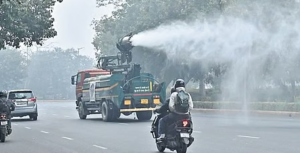
The Delhi Pollution Control Committee launched Road RADAR on 8 May 2026 in Delhi to identify sources of air pollution through daily ground-level surveys. Road RADAR stands for Real-time Air Pollution Detection Across Roads and uses geo-tagged reporting for rapid redressal of dispersed pollution sources.
Road RADAR Initiative
Road RADAR is a field-based monitoring programme for road-linked pollution sources in Delhi. The initiative deploys 13 dedicated surveyors, with one surveyor assigned to each district of Delhi. Surveyors use the MCD-311 mobile application for geo-tagged field surveys. The programme sets a daily reporting target of at least 70 pollution-related issues per surveyor and around 1,000 issues collectively each day.
Coverage and Survey Method
The initiative covers about 18,000 km of roads in Delhi every month across municipal wards under different civic bodies and agencies. The survey system is designed for daily inspection of roads and related public spaces. The reported issues are routed automatically to the concerned authorities for action. The system includes safeguards for zero duplication of complaints.
Pollution Categories Tracked
Road RADAR tracks 11 categories of air pollution sources. These include road dust from unpaved roads, broken footpaths, potholes, sand or loose material on roadsides, unregulated parking lots, garbage, biomass burning, plastic burning, construction and demolition waste, and barren roadsides.
Important Facts for Exams
- The Delhi Pollution Control Committee is the statutory body associated with pollution control in Delhi.
- Geo-tagging is a location-based data method that attaches latitude and longitude to field observations.
- Road dust, biomass burning, and construction and demolition waste are common urban air pollution sources in Indian cities.
- MCD-311 is a civic grievance and service application used for municipal reporting in Delhi.
Administrative Accountability
Road RADAR uses daily surveillance and real-time reporting for departmental follow-up. The initiative links field observations with direct action by the relevant civic and administrative authorities.
| Related | |
|---|---|