EU Advances Ukraine and Moldova Membership Bids
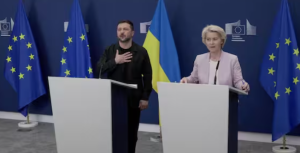
The European Union moved ahead with accession procedures for Ukraine and Moldova on 3 June 2026, when EU ambassadors in Brussels launched the process to open the first negotiating cluster in membership talks with both countries. The first cluster in EU accession negotiations is called “Fundamentals” and covers rule of law, democratic institutions, judicial reform, public administration, and fundamental rights.
EU Accession Process
EU membership negotiations are divided into negotiating clusters that group policy areas for screening and reform. The first cluster, “Fundamentals”, is usually opened early in the accession process and covers core political and legal criteria used in EU enlargement talks.
Ukraine and Moldova in EU Enlargement
Ukraine received EU candidate status in June 2022 and opened accession talks with the European Union in June 2024. Moldova also began accession negotiations in June 2024 and has set 2028 as its target date for EU accession.
Hungary’s Veto and the Transcarpathia Agreement
Hungary lifted its veto on Ukraine’s accession process after an agreement with Kyiv on the rights of ethnic Hungarians in western Ukraine. The agreement covers linguistic, educational, cultural, and political rights for about 100,000 ethnic Hungarians in the Transcarpathia region.
Important Facts for Exams
- The European Union has 27 member states.
- Intergovernmental conferences for the formal opening of the first negotiating cluster are scheduled for 15 June 2026 in Luxembourg.
- The Cypriot presidency of the Council of the European Union described the decision as a significant milestone.
- Transcarpathia is a region in western Ukraine with a sizeable ethnic Hungarian population.
EU Enlargement Framework
EU accession talks require alignment with the acquis communautaire, which is the body of European Union law and obligations. The enlargement process also includes screening, negotiation chapters or clusters, and ratification by all member states before accession.
| Related | |
|---|---|