Draft CAFE-3 Norms Emphasise Carbon Credit Trading
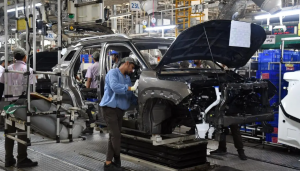
India is set to implement Corporate Average Fuel Efficiency-III (CAFE-III) norms from April 1, 2027, tightening emission standards for passenger vehicles. Alongside stricter fuel efficiency targets, the government has proposed a draft mechanism allowing automobile manufacturers to trade carbon credits, including direct purchases from the Bureau of Energy Efficiency (BEE). This marks a significant shift in India’s regulatory approach to emissions control in the auto sector.
Understanding CAFE-III Norms
CAFE-III norms aim to reduce vehicular emissions by mandating lower average CO₂ emissions per manufacturer. These targets are not uniform; they depend on the average kerb weight of a company’s fleet. Heavier vehicles are permitted relatively higher emissions, while lighter fleets face stricter limits. The new phase builds on earlier norms by tightening thresholds and expanding compliance requirements, thereby pushing automakers towards cleaner technologies.
Role of Bureau of Energy Efficiency
The Bureau of Energy Efficiency, established under the Energy Conservation Act, 2001, operates under the Ministry of Power. It is responsible for setting efficiency standards and recommending penalties but lacks quasi-judicial authority. Under the proposed framework, BEE will play a central role by issuing and selling carbon credits, effectively becoming a market participant rather than just a regulator.
Carbon Credit Trading Mechanism
The draft policy allows automakers to buy and sell carbon credits to meet emission targets. Uniquely, companies can purchase credits directly from BEE at fixed prices ranging between ₹2,500 and ₹4,500 per gram of CO₂/km for defined periods between 2028 and 2032. This ensures a guaranteed compliance route even when market liquidity is low or credits are unavailable from other firms.
What to Note for UPSC Prelims?
- CAFE norms regulate average CO₂ emissions of vehicle manufacturers.
- BEE was established under the Energy Conservation Act, 2001.
- Carbon credit trading allows emission offsets through market mechanisms.
- India’s system uniquely allows regulator-led credit sales.
Implications and Global Comparisons
The system offers flexibility and prevents market failure by ensuring credit availability. However, it risks reducing incentives for innovation, as firms may prefer buying credits over investing in cleaner technologies. Globally, systems differ: California relies on open market trading among companies, while the European Union permits pooling of emissions among manufacturers. India’s approach stands out by introducing regulator-backed credit sales, which may balance compliance ease with environmental goals but could also widen the gap between technologically advanced and smaller manufacturers.
| Related | |
|---|---|