Centre Clears ₹3,000-Crore Scheme to Save 15,000 Sacred Groves
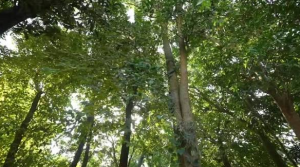
The Union government approved a ₹3,000-crore scheme on 10 July 2026 to conserve and restore nearly 15,000 sacred groves across India. The five-year programme, named the Aastha Van Sanrakshan Yojana, will run from 2026-27 to 2030-31 and will use funds from the National CAMPA Fund.
Sacred Groves in India
Sacred groves are forest patches protected by local communities for religious, spiritual, and cultural reasons. They are known as Aastha Vans under the new scheme. Such groves are found in several parts of India and are linked to traditional conservation practices.
CAMPA and Forest Restoration
The scheme was approved during the 7th Governing Body meeting of the National Compensatory Afforestation Fund Management & Planning Authority (CAMPA) in Coimbatore. Union Environment Minister Bhupender Yadav chaired the meeting. The approved plan also includes a landscape restoration programme for land degradation and biodiversity loss.
Legal and Policy Context
The approval follows a Supreme Court directive dated 18 December 2024 in a case related to Rajasthan. The directive asked the Centre to protect sacred groves. The scheme is linked to compensatory afforestation and forest restoration under the National CAMPA Fund.
Important Facts for Exams
- The Aastha Van Sanrakshan Yojana has a total outlay of ₹3,000 crore.
- The scheme covers nearly 15,000 sacred groves across India.
- The implementation period is five years, from 2026-27 to 2030-31.
- The Mangrove Initiative for Shoreline Habitats and Tangible Incomes was also extended until 2029 with an additional ₹500 crore.
Static GK on Sacred Groves
Sacred groves are often associated with biodiversity conservation, soil protection, and water retention in local ecosystems. They are part of India’s traditional environmental heritage and are studied in ecology, conservation biology, and environmental governance.
| Related | |
|---|---|