Buff-tip Moth Threatens Ladakh Farm Economy
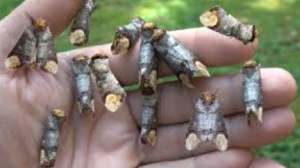
Phalera cf. bucephala, commonly called the buff-tip moth, is a moth species in the order Lepidoptera. The species has been linked with agricultural concern in Ladakh, a high-altitude cold desert region in India where farming depends on short growing seasons and limited irrigation.
Buff-tip Moth: Taxonomy and Identification
The buff-tip moth belongs to the family Notodontidae. Adult moths of this group are known for wing patterns that provide camouflage, and the buff-tip moth is named for its pale, buff-coloured wing tips. The scientific name uses the abbreviation “cf.”, which is used in taxonomy to indicate a probable identification that needs confirmation.
Ladakh Agriculture: Static Features
Ladakh lies in the Trans-Himalayan region and includes districts such as Leh and Kargil. Agriculture in the region depends on barley, wheat, peas, and vegetables grown during a short summer season. Farming in cold desert areas often uses glacier meltwater, spring water, and small irrigation channels.
Insect Pests in Cold Desert Farming
Insect outbreaks in high-altitude regions can affect crops that grow in limited climatic windows. Lepidopteran larvae, which are caterpillars, often feed on leaves, stems, and flowers of host plants. Pest monitoring in mountain agriculture usually includes field surveys, species identification, and assessment of crop damage.
Important Facts for Exams
- Lepidoptera is the insect order that includes moths and butterflies.
- Notodontidae is a family of moths within Lepidoptera.
- The term “cf.” in a scientific name means “compare with” and indicates tentative identification.
- Ladakh is a cold desert region in the Trans-Himalayan zone of India.
Scientific and Agricultural Context
Moth larvae are among the common insect pests in temperate and alpine farming systems. Crop protection in such regions often depends on early detection, host-plant identification, and seasonal surveillance.
| Related | |
|---|---|