White Fungus
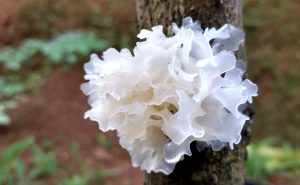
Snow fungus, scientifically known as Tremella fuciformis, is a species of edible fungus. It belongs to the Tremellaceae family within the Tremellales order. This fungus is widely recognized for its gelatinous, translucent, and snow-white appearance. It typically grows on decaying broadleaf wood in tropical and subtropical regions.
Biological Characteristics
The fungus possesses a unique morphology characterized by its frond-like, jelly-like lobes. These lobes create a coral-like structure. Its texture is soft, gelatinous, and slightly chewy. Because it is a saprophytic organism, it derives nutrients from dead or decaying organic matter. It thrives in humid environments with moderate temperatures.
| Feature | Description |
| Scientific Name | Tremella fuciformis |
| Common Names | Snow fungus, Silver ear, White wood ear, White jelly mushroom |
| Kingdom | Fungi |
| Phylum | Basidiomycota |
| Habitat | Dead broadleaf wood (e.g., oak, maple) |
Cultivation and Production
Historically, snow fungus was gathered from the wild. Today, it is commercially cultivated on a large scale. The process involves inoculating logs or sawdust-based substrates with the fungal mycelium.
Traditional Log Cultivation
This method involves using logs from specific trees such as oak. The logs are cut, sterilized, and inoculated. This process is time-consuming but produces a high-quality product that closely resembles wild-grown fungi.
Modern Substrate Cultivation
This method utilizes bags filled with sterilized sawdust, rice bran, and other supplements. This approach allows for year-round production in controlled environments. It is the dominant method for mass-market supply due to its efficiency and shorter growth cycles.
Nutritional and Medicinal Profile
Snow fungus is highly valued in traditional medicine systems, particularly in East Asia. It is often referred to as a functional food due to its potential health-promoting properties.
- Polysaccharides: The fungus is rich in specific polysaccharides that are often studied for their role in immune system support.
- Dietary Fiber: It contains significant amounts of soluble dietary fiber, which aids in digestion and gut health.
- Antioxidant Properties: It contains compounds that help neutralize free radicals, potentially reducing oxidative stress in the body.
- Hydration and Skin Health: Due to its ability to retain large amounts of water, it is frequently used in skincare products for its moisturizing properties.
- Low Caloric Content: It is low in calories, making it a suitable inclusion for various dietary patterns.
Culinary Uses
The culinary applications of snow fungus are diverse. It is prized more for its unique texture than its flavor, which is mild and subtle. It is commonly used as a thickening agent or a textural element in both sweet and savory dishes.
- Soups and Desserts: It is a staple ingredient in “tong sui” or Chinese sweet soups. It is often simmered with rock sugar, goji berries, red dates, and lotus seeds.
- Salads: Once rehydrated, it can be tossed into cold salads with vinegar, garlic, and chili for a refreshing appetizer.
- Medicinal Broths: It is frequently added to slow-cooked chicken or vegetable broths to add body and perceived health benefits.
- Vegetarian/Vegan Ingredient: Because of its texture, it serves as a plant-based alternative in dishes that traditionally use gelatin or cartilage-based ingredients.
Processing and Preparation
The fungus is typically sold in its dried form. Proper preparation is essential to achieve the desired consistency.
- Rehydration: The dried fungus must be soaked in water for several hours until it expands and becomes soft and gelatinous.
- Cleaning: The hard, yellowish base of the fruit body should be trimmed off before cooking.
- Cooking: It is best when simmered or boiled. Prolonged cooking allows the polysaccharides to release, thickening the liquid and softening the texture.
Facts and Trivia
- Tremella fuciformis requires a host fungus, Annulohypoxylon archeri, to grow. It is a mycoparasite, meaning it feeds on the mycelium of this specific host fungus. This complex relationship is essential for its natural development.
- The fungus is highly valued for its water-holding capacity. In laboratory settings, it has been demonstrated that the fruit bodies can absorb up to 500 times their weight in water. This property is why it is often marketed as a natural alternative to hyaluronic acid in cosmetic formulations.
While widely consumed in Asia, it is also gaining popularity in global markets due to the increasing demand for plant-based, health-oriented ingredients. Its growth in popularity aligns with a broader trend toward consuming functional foods that provide health benefits beyond basic nutrition. It remains one of the few fungi that is popular in both the culinary and skincare industries.
| Related | |
|---|---|