US Court Authorises Summons to Ajit Doval in Pannun Lawsuit
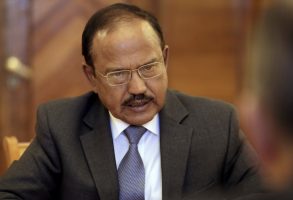
On 9 November 2026, US District Judge Katherine Polk Failla of the Southern District of New York permitted Khalistan separatist Gurpatwant Singh Pannun to serve his civil lawsuit on National Security Adviser Ajit Doval and former Research and Analysis Wing (RAW) chief Samant Goel through Indian courts in Delhi. Pannun must submit the required packet for court approval by 30 November. Earlier attempts to serve Doval, including during Prime Minister Narendra Modi’s Washington visit in February 2025, were unsuccessful.
Civil suit and related proceedings
Filed in September 2024, Pannun’s suit seeks damages and alleges that Doval and Goel approved a plot to assassinate him on US soil. On 9 October 2026, the US State Department separately served the Government of India with the complaint and summonses through diplomatic channels at the Indian Embassy in Washington. The department described this as a procedural obligation under the Foreign Sovereign Immunities Act (FSIA), not a position on the case’s merits.
The civil suit is distinct from the US criminal case in which Indian national Nikhil Gupta pleaded guilty in February 2026 to charges related to a conspiracy to hire a hitman to kill Pannun. The Government of India has designated Pannun a terrorist and his organisation, Sikhs for Justice (SFJ), an unlawful entity. It has called the civil suit “unwarranted and unsubstantiated”.
Important Facts for Exams
- Covered entities: The FSIA applies to foreign states, their political subdivisions, and their agencies or instrumentalities.
- Jurisdictional role: The FSIA sets conditions for instituting a suit against a foreign state; it does not determine which sovereign conduct is actionable.
- Procedural provisions: The FSIA establishes procedures for serving process, attaching property and executing judgments in proceedings against a foreign state.
| Related | |
|---|---|