Supreme Court Seeks Reply on Biometric Voter Verification Plea
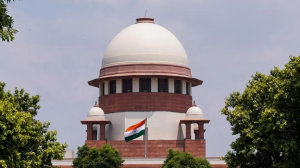
The Supreme Court on April 13, 2026, issued notices to the Union Government and the Election Commission of India on a plea seeking the introduction of fingerprint and iris-based biometric verification at polling booths. The move aims to curb electoral malpractices such as duplicate and fraudulent voting, raising significant questions about feasibility, legality, and cost.
Proposal for biometric authentication in elections
The petition, filed by advocate Ashwini Kumar Upadhyay, urged the adoption of biometric identification systems to ensure that only genuine and registered voters cast their ballots. It argued that linking voter identity with unique biometric markers such as fingerprints and iris scans would enforce the principle of “One Citizen, One Vote” and enhance the credibility of elections.
Concerns over cost and legal framework
A Bench led by Chief Justice of India Surya Kant acknowledged that implementing such a system would involve substantial financial expenditure and logistical challenges. The Court also noted that introducing biometric verification in elections may require significant amendments to existing electoral laws. Despite these concerns, the Bench indicated that the matter would be examined before the next General Election.
Existing system and its limitations
The plea highlighted that the current voter verification process relies on voter ID cards and manual checks, which are vulnerable to misuse. Issues such as outdated photographs, clerical errors, and lack of real-time validation create opportunities for impersonation, multiple voting, and ghost entries in electoral rolls. The petitioner argued that biometric authentication could address these gaps effectively.
Important Facts for Exams
- Article 324 of the Constitution empowers the Election Commission to conduct and supervise elections.
- The Representation of the People Act, 1951 governs the conduct of elections in India.
- Aadhaar-based biometric authentication has faced concerns regarding privacy and authentication failures.
- Biometric systems use unique physical traits like fingerprints and iris patterns for identity verification.
Balancing electoral integrity and practical challenges
The petition emphasised that electoral malpractices such as bribery, undue influence, and impersonation continue to undermine democratic processes. However, the Court’s observations suggest a cautious approach, balancing the need for electoral integrity with concerns over cost, data privacy, and administrative feasibility. The responses from the Centre and the Election Commission are expected to shape further deliberations on the issue.
| Related | |
|---|---|