Supreme Court Highlights Voting Rights Amid Bengal Roll Dispute
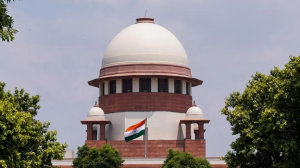
The Supreme Court on April 14, 2026, emphasised that a person born in India holds a constitutional right to remain on the electoral roll and participate in voting. The observation came during hearings on the Special Intensive Revision (SIR) of voter lists in West Bengal, where large-scale deletions and pending appeals have raised concerns over electoral fairness.
Right to vote termed core democratic expression
A Bench led by Chief Justice Surya Kant and Justice Joymalya Bagchi stated that voting is not only a constitutional entitlement but also a strong expression of nationality and patriotism. The Court noted that the ongoing electoral atmosphere should not cloud fundamental democratic principles. However, it refrained from giving a definitive ruling on whether individuals born in India to illegal migrants are automatically entitled to voting rights.
Appeals process prioritised over immediate relief
The Court declined requests to allow individuals cleared by appellate tribunals to vote before final adjudication. It directed petitioners to approach the designated tribunals, including seeking expedited hearings where necessary. At present, 19 appellate tribunals are operational, and over 34 lakh appeals have been filed, indicating the scale of the revision exercise.
Deletion rates versus election outcomes
Justice Bagchi highlighted that the Court may intervene in cases where voter deletions significantly exceed electoral victory margins. For instance, a deletion rate of 10 per cent against a victory margin of 2 per cent could raise questions about the integrity of election results. The Bench also observed that earlier frameworks did not intend to scrutinise voters already listed in the 2002 rolls, but discrepancies in identity details led to expanded verification.
Important Facts for Exams
- Article 326 ensures universal adult suffrage for elections in India.
- Article 324 vests the Election Commission with powers to conduct and supervise elections.
- Electoral rolls are maintained under the Representation of the People Act, 1950.
- Special Intensive Revision is conducted to verify and update voter eligibility.
Focus on fairness and security measures
The Supreme Court stressed that the issue is not a conflict between the Election Commission and the state government but a matter of protecting voter rights. It ordered continued security for judicial officers involved in the SIR process through state police and central forces. The Court underlined its role as an enabler to ensure due process, fairness, and credibility in the electoral system.
| Related | |
|---|---|