Prehistoric Cave Discovery in Northern Israel
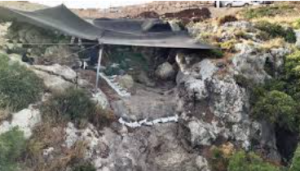
Archaeologists announced a prehistoric cave in northern Israel near Fureidis, south of Haifa and close to the Zikhron Ya’akov interchange, on 11–12 June 2026. The cave dates to between 400,000 and 250,000 years ago and belongs to the Acheulo-Yabrudian culture of the late Lower Paleolithic period.
Prehistoric Cave and Chronology
The Lower Paleolithic era is the earliest division of the Old Stone Age and is associated with early stone tool industries. The Acheulo-Yabrudian culture is a Levantine archaeological culture dated to the transition between the Lower and Middle Paleolithic periods.
Archaeological Institutions and Research Team
The excavation is a joint project of the Israel Antiquities Authority and the University of Haifa, with support from Ayalon Highways Company. Dr. Kobi Vardi and Amit Gabbay of the Israel Antiquities Authority and Professor Ron Shimelmitz of the University of Haifa are among the researchers linked to the site.
Finds from the Cave
The cave has yielded flint tools, including small handaxes, scrapers and blades. Animal remains found at the site include fallow deer, gazelle, ancient horses, wild cattle and donkeys.
Important Facts for Exams
- The Acheulo-Yabrudian culture is known from the Levant region of West Asia.
- The Lower Paleolithic era is associated with early human stone tool use.
- Flint was a common raw material for prehistoric tools because it fractures with sharp edges.
- Hunter-gatherer groups often used caves for shelter, tool-making and repeated occupation.
Fire Use and Human Activity
Traces of fire use and prolonged occupation were found inside the cave. The evidence includes repeated human activity, which is linked to longer stays at the same site and larger social groups in prehistoric contexts.
Water Sources and Site Function
Traces of water sources inside the cave indicate access to water for ancient hunter-gatherer groups. No human bones have been found at the site so far, and future excavations may provide skeletal evidence from this transitional period.
| Related | |
|---|---|