ONGC to Build New Strategic Oil Reserve in Mangaluru
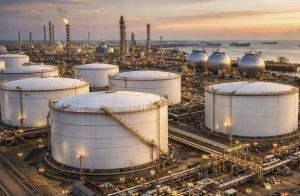
India has assigned Oil and Natural Gas Corporation (ONGC) to develop a new strategic petroleum reserve (SPR) facility in Mangaluru, Karnataka. The underground crude oil storage cavern is estimated to cost about ₹15,000 crore and will add 1.75 million metric tonnes (MMT) of storage capacity.
Strategic Petroleum Reserve in India
A strategic petroleum reserve is an emergency stockpile of crude oil kept for supply security during disruptions in imports or global supply chains. India’s existing SPR system includes facilities at Visakhapatnam, Mangaluru, and Padur, with a combined capacity of 5.33 MMT.
ONGC’s Role in the Mangaluru Project
ONGC is a state-owned enterprise under the Ministry of Petroleum and Natural Gas. The Mangaluru project differs from earlier SPR projects because ONGC has been asked to finance and construct the facility using its own balance sheet, while earlier reserves were managed by Indian Strategic Petroleum Reserves Limited (ISPRL).
Capacity, Cost and Storage Details
The project cost includes about ₹5,000 crore for construction and around ₹10,000 crore for filling the cavern with crude oil at current prices. ONGC already owns the land identified for the project, and the reserve is expected to raise India’s strategic crude storage capacity by about one-third after completion.
Important Facts for Exams
- India’s existing strategic crude oil storage capacity is 5.33 MMT, which is equivalent to about 39 million barrels.
- The current SPR facilities are located at Visakhapatnam, Mangaluru and Padur.
- India imports around 88% of its crude oil requirement.
- Strategic petroleum reserves are used to meet emergency supply needs during geopolitical or market disruptions.
Exam-Relevant Context
ISPRL is the public sector entity associated with India’s strategic crude oil storage programme. The Mangaluru reserve is planned as an underground cavern, which is a common format for large crude oil storage facilities.
| Related | |
|---|---|